

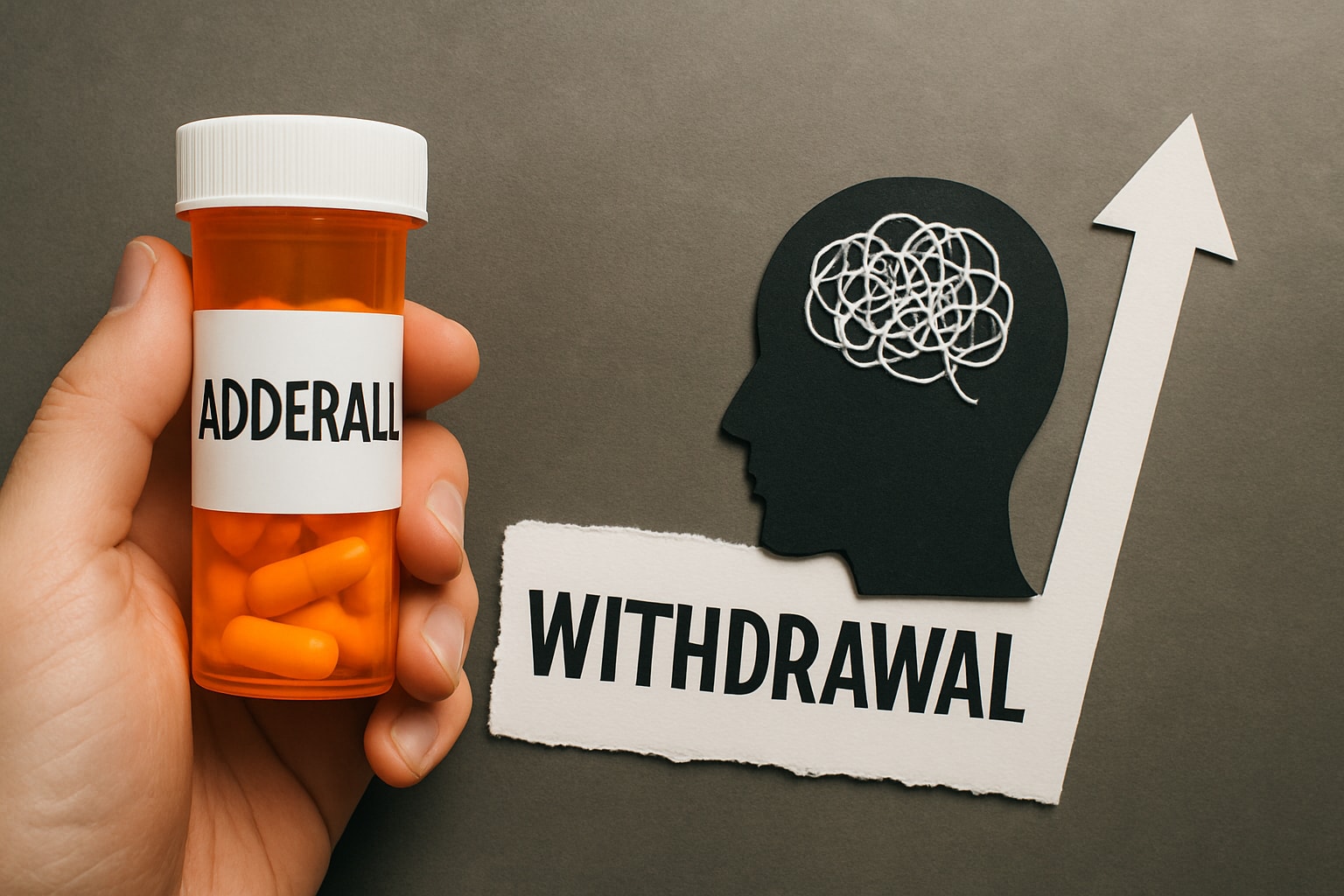
Are you or someone you care about concerned about adderall withdrawal symptoms in 2026? You are certainly not alone. Millions of people face this challenge each year, and the numbers are only rising as Adderall use increases.
Withdrawal can be unpredictable and uncomfortable, making it a daunting experience for many. However, with the right information and support, navigating these symptoms becomes much more manageable.
This guide provides a detailed look at why withdrawal happens, what symptoms to expect, the typical timeline, risk factors, and the most up-to-date strategies for prevention, management, and recovery. Use this resource to prepare yourself or support a loved one through the process ahead.
Understanding Adderall Withdrawal: Causes and Mechanisms
Adderall is a powerful central nervous system stimulant, commonly prescribed to manage ADHD and narcolepsy. It works by increasing the levels of dopamine and norepinephrine in the brain, which are neurotransmitters responsible for focus, motivation, and energy. When someone takes Adderall regularly, their brain begins to rely on the medication to maintain these neurotransmitter levels.
Over time, the brain adapts to the presence of Adderall. Prolonged or high-dose use can lead to physical dependence, making it harder for the body to function normally without the drug. This is why stopping Adderall suddenly can trigger adderall withdrawal symptoms, as the brain struggles to restore balance.
It’s important to distinguish between an “Adderall crash” and true withdrawal. An Adderall crash typically happens within hours after a missed dose or the medication wears off. People may feel sudden fatigue, irritability, or low mood. True withdrawal, however, is a longer process that occurs when Adderall use is stopped completely, often resulting in more intense and persistent symptoms.
Why do adderall withdrawal symptoms occur? When the drug is removed, the brain is temporarily left with depleted dopamine and norepinephrine. This neurotransmitter shortage causes fatigue, mood swings, and difficulty concentrating. The body needs time to readjust and start producing these chemicals naturally again.
The severity and duration of withdrawal depend on several factors, including how long someone has been taking Adderall, the dosage, and whether they stop abruptly or taper gradually. Stopping “cold turkey” can make symptoms more severe, while a carefully managed taper can help reduce discomfort.
National trends show rising stimulant prescriptions, with over 1.8 million stimulant prescriptions written in Arizona alone during 2023. This mirrors a growing concern about adderall withdrawal symptoms across the country.
Withdrawal experiences can also differ based on the type of Adderall used. Immediate-release (IR) formulations tend to cause withdrawal symptoms more quickly, while extended-release (XR) versions may lead to a slower onset and longer duration of symptoms.
| Adderall Type | Onset of Withdrawal | Duration of Symptoms |
|---|---|---|
| IR | Within hours | Shorter (days–weeks) |
| XR | Up to 24 hours | Longer (weeks+) |
Medical supervision is crucial during withdrawal. Doctors can create personalized tapering plans, monitor for complications, and provide support for both physical and emotional symptoms. Sometimes, outpatient detox programs can offer structured, safe support for those navigating adderall withdrawal symptoms.
Understanding these causes and mechanisms is the first step to preparing for, or supporting someone through, Adderall withdrawal. With the right knowledge and support, recovery is possible.

Adderall Withdrawal Symptoms: What to Expect in 2026
Adderall withdrawal symptoms are a real concern for anyone planning to stop or reduce their use in 2026. These symptoms can affect your body, mind, and behavior, and may be more complex than most people realize. Let’s break down what you or a loved one might face, so you know what to expect and how to prepare.

Physical Symptoms
The physical side of adderall withdrawal symptoms is often the first thing people notice. In 2026, these symptoms remain prominent, though some trends are becoming more pronounced.
Common physical symptoms include:
- Extreme fatigue: A wave of tiredness can hit hard, making even simple tasks feel overwhelming.
- Increased appetite: Many people notice they are constantly hungry, sometimes leading to rapid weight gain.
- Sleep disturbances: Hypersomnia (sleeping too much), insomnia, and even vivid, unsettling dreams are common.
- Headaches and muscle aches: Persistent aches can make daily routines uncomfortable.
- Body discomfort: Tremors, sweating, and overall physical unease may develop.
Emerging trends show that some individuals report more severe muscle cramps and night sweats than in previous years. These newer symptoms can make the process feel unpredictable.
It’s important to remember that the intensity and duration of these physical effects can vary, especially between those using instant-release and extended-release formulations. For a deeper dive into these effects and how to manage them, check out this detailed guide on Adderall withdrawal symptoms and treatment.
Psychological and Emotional Symptoms
Adderall withdrawal symptoms do not just impact your body. The psychological and emotional effects can be just as challenging, if not more so.
You might experience:
- Depression and low mood: Feelings of sadness, hopelessness, or even numbness can set in.
- Anhedonia: The loss of pleasure in activities you once enjoyed is common.
- Anxiety and panic attacks: Worry, racing thoughts, and sudden panic can make it hard to relax.
- Irritability and mood swings: Small frustrations might feel overwhelming, leading to sudden outbursts.
- Cognitive fog: Concentration and memory can feel impaired, making tasks at work or school difficult.
- Social withdrawal: Many people isolate themselves, avoiding friends and family.
In rare cases, suicidal thoughts may occur, highlighting the need for close monitoring and support. These psychological adderall withdrawal symptoms can linger, sometimes lasting weeks after stopping the medication.
Behavioral Symptoms and Cravings
Behavioral changes are another hallmark of adderall withdrawal symptoms. These changes can affect your daily life and relationships in significant ways.
Watch for:
- Intense cravings: The urge to take Adderall again can be powerful, especially during stressful moments.
- Lack of motivation: You might struggle to start or complete tasks, leading to missed responsibilities.
- Routine disruption: Daily habits and schedules can fall apart, making life feel disorganized.
- Risk-taking or seeking other stimulants: Some may turn to other substances in an attempt to feel “normal.”
- Social and work impairment: School performance may drop, and professionals might miss work or deadlines.
For example, students may see a sudden dip in academic performance, or adults may find themselves missing key meetings or family events. Recognizing these behavioral adderall withdrawal symptoms early can make a big difference in recovery.
The Adderall Withdrawal Timeline: Stages and Duration
Navigating the journey through adderall withdrawal symptoms can feel like riding a rollercoaster, with ups and downs that may surprise you. Understanding what happens at each stage helps you or your loved one prepare for the road ahead. This timeline breaks down the phases of withdrawal, highlighting key symptoms, durations, and what you can expect during each step.

Stage 1: Initial Crash (0–3 Days)
The first stage of adderall withdrawal symptoms often begins just hours after the last dose. This initial crash can feel overwhelming, especially if you have been using Adderall daily or at high doses.
Common experiences during this period include:
- Extreme tiredness and the urge to sleep for long stretches
- Mood swings, including irritability or sadness
- Intense cravings for Adderall
- A noticeable increase in appetite
- Trouble falling or staying asleep
For example, a college student might suddenly feel unable to get out of bed or focus on even simple tasks. This stage can be difficult, but knowing these adderall withdrawal symptoms are temporary can make a big difference in coping.
Stage 2: Acute Withdrawal (4–10 Days)
During this phase, adderall withdrawal symptoms usually reach their peak intensity. Both physical and psychological symptoms can become more pronounced, making this stage especially challenging.
You might notice:
- Deep depression or persistent low mood
- Heightened anxiety and frequent headaches
- Muscle aches or bodily discomfort
- Difficulty concentrating and irritability
- Strong cravings and lack of motivation
Support from friends, family, or professionals is crucial now. Monitoring your mental health and reaching out if symptoms worsen is important. For a more detailed look at symptoms and detox processes, you can consult resources like Adderall withdrawal symptoms and detox.
Stage 3: Subacute Withdrawal (1–3 Weeks)
As you move into the subacute withdrawal stage, adderall withdrawal symptoms generally start to subside, but some may linger. This is a period of gradual improvement, although emotional and physical challenges can persist.
Key features of this stage:
- Residual fatigue that makes even small tasks feel draining
- Mild depression or emotional sensitivity
- Lingering cravings for Adderall, though less intense than before
- Mood swings and difficulty managing stress
Peer and psychological support become especially valuable here. Many find that connecting with others who understand adderall withdrawal symptoms can ease feelings of isolation and help maintain motivation.
Stage 4: Prolonged Recovery (1 Month+)
For some, adderall withdrawal symptoms can last well beyond the first month, especially after long-term or high-dose use. Extended-release (XR) formulations are more likely to cause ongoing issues compared to immediate-release (IR) versions.
Persistent symptoms may include:
- Ongoing depression or cognitive fog
- Sleep disturbances that disrupt daily routines
- Occasional cravings, particularly in stressful situations
- Difficulty returning to normal energy levels
Lifestyle changes, therapy, and structured routines play a key role in this recovery phase. Those with more severe or long-lasting adderall withdrawal symptoms often benefit from ongoing support, making this stage a time for building resilience and healthy habits.
Preventing and Managing Adderall Withdrawal Symptoms
Navigating adderall withdrawal symptoms can be challenging, but with the right strategies, the process becomes safer and more manageable. Prevention and management focus on reducing severity, supporting overall well-being, and minimizing relapse risk.

Tapering Off Adderall Safely
Stopping Adderall abruptly can make adderall withdrawal symptoms much worse. Gradual tapering under medical supervision is the safest approach. Doctors create a personalized taper schedule, adjusting the dose slowly to minimize symptoms and support brain recovery.
Tapering helps your body adapt to lower stimulant levels, reducing risks like severe fatigue, mood swings, or dangerous cravings. The process may take weeks, depending on how long you’ve used Adderall and your dosage. Medical professionals monitor progress, watch for complications, and offer support throughout.
If you’re considering stopping Adderall, consult a healthcare provider or explore outpatient detox for stimulants to learn about safe, supervised options. This can make a world of difference, especially if you have a history of intense adderall withdrawal symptoms.
Healthy Lifestyle Strategies
Supporting your body during adderall withdrawal symptoms is crucial for a smoother recovery. Nutrition plays a key role—focus on balanced meals to manage increased appetite and stabilize energy levels.
Hydration is just as important. Drinking plenty of water helps flush out toxins and eases headaches or muscle aches. Establishing good sleep habits makes a noticeable difference. Try going to bed and waking up at the same time each day, even if sleep feels elusive.
Gentle exercise, like walking or stretching, boosts mood and combats fatigue. Stress management techniques, such as deep breathing, mindfulness, or yoga, can ease emotional discomfort. Small changes add up, helping you regain control over adderall withdrawal symptoms.
Professional Support and Monitoring
Some adderall withdrawal symptoms, like severe depression or suicidal thoughts, require immediate professional help. Don’t hesitate to reach out to a doctor or mental health provider if symptoms become overwhelming.
Support groups can offer encouragement and practical advice from others who understand what you’re going through. Family involvement also makes a difference—educating loved ones helps them provide better support.
Peer support, therapy, and ongoing monitoring are key for long-term success. Many people have successfully overcome adderall withdrawal symptoms with a strong support system and professional guidance. Remember, recovery is possible, and you’re not alone.
Treatment Options for Adderall Withdrawal and Recovery in 2026
Navigating treatment options for adderall withdrawal symptoms in 2026 can feel overwhelming, but understanding the available choices is the first step toward recovery. Whether you’re starting the process or supporting someone else, knowing what to expect helps you make informed decisions.
Treatment for adderall withdrawal symptoms ranges from medical detox to innovative therapies. In this section, we’ll break down each approach, highlight new trends, and guide you toward resources that foster long-term healing.
Medical Detox and Supervised Withdrawal
Medical detox is often the safest starting point for those experiencing severe adderall withdrawal symptoms. In a supervised setting, healthcare professionals monitor vital signs, manage discomfort, and address any complications that arise.
During detox, you might receive medications to ease symptoms like insomnia, anxiety, or depression. Examples include sleep aids, antidepressants, and anti-anxiety medications, prescribed based on your unique needs.
Supervised withdrawal is especially important if you have a history of mental health issues or co-occurring substance use. Medical staff can adjust your treatment plan as symptoms change, ensuring safety and comfort.
Who benefits most from medical detox? Individuals with high-dose, long-term use, or those at risk of severe psychological symptoms. For a detailed overview of what to expect and how treatment can be tailored, see this guide to adderall withdrawal symptoms and treatment.
Outpatient and Inpatient Treatment Programs
After detox, continuing care is crucial for managing adderall withdrawal symptoms. Treatment programs fall into two main categories: outpatient and inpatient.
Outpatient programs let you live at home while attending therapy and medical check-ins several times a week. This option is ideal for those with strong support systems and mild to moderate symptoms.
Inpatient or residential programs offer 24/7 care in a structured environment. These are recommended for people with severe symptoms, unstable living situations, or co-occurring disorders.
A quick comparison:
| Program Type | Living Arrangement | Intensity | Best For |
|---|---|---|---|
| Outpatient | Home | Moderate | Mild-moderate symptoms, support |
| Inpatient | On-site | High | Severe symptoms, high risk |
Choosing the right level of care depends on your medical history, symptom severity, and personal circumstances. Peer and family involvement also play a key role in recovery success.
Evidence-Based Therapies and Support
Therapy is at the heart of effective treatment for adderall withdrawal symptoms. Evidence-based approaches like Cognitive Behavioral Therapy (CBT) help you manage cravings, develop coping skills, and address underlying emotional challenges.
Group therapy and peer support are valuable for sharing experiences and reducing isolation. Psychoeducation teaches you about the science of addiction and strategies for relapse prevention.
Holistic therapies, such as mindfulness, creative arts, and fitness programs, are increasingly popular in 2026. These approaches support overall well-being during and after withdrawal.
Combining therapies creates a comprehensive plan that addresses both the physical and psychological sides of adderall withdrawal symptoms. Support continues after formal treatment, helping you build a solid foundation for the future.
Innovations and Trends in Withdrawal Management for 2026
Treatment for adderall withdrawal symptoms is evolving rapidly. Advances in telehealth connect you with doctors and therapists from home, making support more accessible.
New digital monitoring tools track symptoms and medication use, alerting providers to changes in your condition. Personalized medicine, including genetic testing, is helping tailor treatment plans to individual needs.
Researchers are also exploring new medications and protocols for managing withdrawal, aiming to make recovery safer and more comfortable. Integration of mental health and addiction services improves outcomes for those with complex needs.
Long-Term Recovery and Aftercare
Sustaining recovery from adderall withdrawal symptoms requires ongoing support. After initial treatment, aftercare plans include therapy, support groups, and regular check-ins.
Relapse prevention strategies focus on building healthy routines, managing stress, and recognizing triggers. Many people benefit from alumni programs and community resources that keep them connected and motivated.
To explore more about managing recovery over the long haul, check out these recovery management strategies that can help you stay on track.
Remember, healing is a journey, not a destination. With the right support and treatment options, long-term recovery from adderall withdrawal symptoms is within reach.
Special Considerations: Adderall IR vs. XR, Co-Occurring Disorders, and At-Risk Populations
Adderall withdrawal symptoms can vary greatly depending on the type of medication and who is taking it. Understanding these differences is key to managing the process safely and effectively.
Adderall IR vs. XR: Different Withdrawal Experiences
Immediate-release (IR) and extended-release (XR) Adderall formulations lead to different withdrawal profiles. IR causes symptoms to onset quickly, often within hours of the last dose, while XR’s effects linger, causing a slower, sometimes more drawn-out withdrawal.
The intensity of adderall withdrawal symptoms can also differ. IR users might experience sharper mood swings or cravings that peak and subside quickly. XR users may face persistent fatigue, cognitive fog, and emotional lows that last longer. Recognizing which type you or your loved one is using helps anticipate both the timeline and intensity of adderall withdrawal symptoms.
Co-Occurring Disorders and Complicated Withdrawals
Many people facing adderall withdrawal symptoms also struggle with conditions like ADHD, anxiety, or depression. These co-occurring disorders can make withdrawal more challenging. For example, someone with untreated depression may experience deeper lows, while those with anxiety might find withdrawal amplifies their symptoms.
Effective management often requires an integrated approach. Medical professionals may recommend specialized support, therapy, or medication adjustments. For more details on how these coexisting conditions impact withdrawal and recovery, see Co-occurring disorders and withdrawal. Support networks and ongoing mental health care are crucial for long-term recovery.
At-Risk Groups: Adolescents, College Students, and Professionals
Certain populations face unique risks with adderall withdrawal symptoms. Adolescents and college students may misuse Adderall to boost academic performance, putting them at higher risk for both dependence and severe withdrawal. Professionals, especially those in high-stress jobs, might rely on Adderall for productivity, making withdrawal a threat to daily functioning.
Examples include a college student struggling with concentration after quitting or a young professional missing work due to fatigue. These groups often need extra monitoring, especially during periods of transition or stress, to prevent relapse and promote healthy coping strategies.
Gender, Age, Cultural Factors, and Polysubstance Use
Withdrawal does not affect everyone the same way. Gender and age influence how the body processes Adderall, potentially altering the severity of adderall withdrawal symptoms. Cultural background may also shape attitudes toward medication and seeking help.
Polysubstance use, such as combining Adderall with alcohol or other drugs, complicates withdrawal. Symptoms may be more intense and unpredictable, requiring comprehensive treatment. Older adults and those with chronic health conditions may need additional medical oversight to manage potential complications.
Personalized Support: Recommendations for High-Risk Groups
Tailored support is essential for anyone experiencing adderall withdrawal symptoms, especially those with additional risk factors. This may include:
- Gradual tapering under medical supervision
- Ongoing mental health care and therapy
- Family education and involvement
- Peer support or recovery groups
A young adult misusing Adderall for exams or an adult with co-occurring anxiety will benefit from a personalized plan. Regular check-ins and a supportive environment can make a significant difference in recovery outcomes.
If you or someone you care about is facing Adderall withdrawal, remember—you’re not alone, and help is out there. We’ve just covered what to expect, how symptoms can look in 2026, and important steps for managing this journey. Real recovery is possible with the right support, from medical care to wellness strategies, and having a team in your corner can make all the difference. If you’re ready to take the next step toward a healthier future, you can Start Your Transformation today and get personalized care built around your needs.