

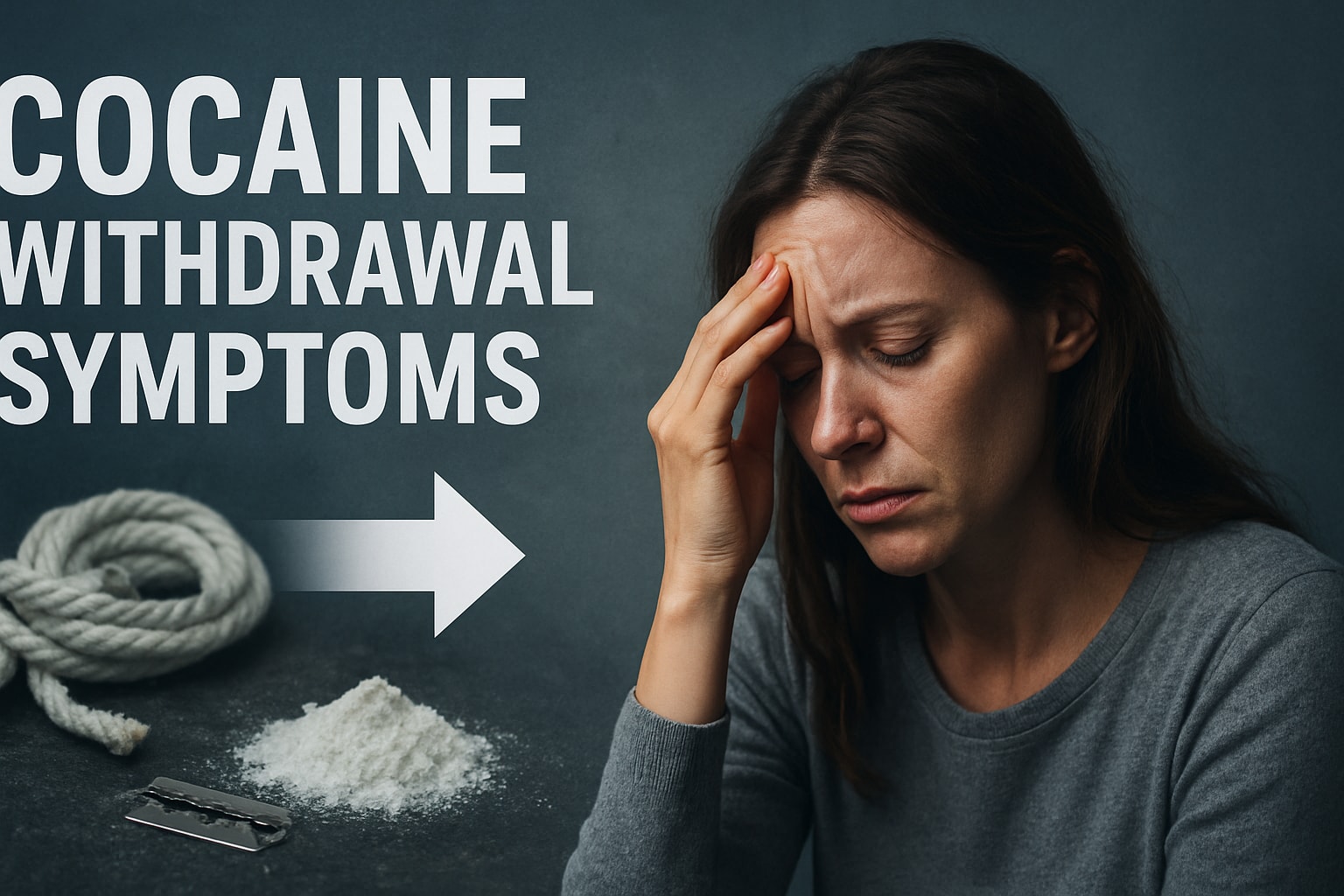
Cocaine withdrawal can feel overwhelming and unpredictable, especially as our understanding of its effects continues to evolve with new research in 2026.
If you or a loved one are facing cocaine withdrawal symptoms, knowing what to expect is crucial. This guide offers clear, up-to-date insights into symptom profiles, timelines, and effective support strategies.
We’ll walk you through the latest science, symptom timelines, physical and psychological impacts, key risk factors, innovative treatment options, and the best places to find help. Start your journey to understanding and recovery here.
Understanding Cocaine Withdrawal: The Basics
Cocaine withdrawal symptoms can be confusing and overwhelming for anyone experiencing them for the first time. Understanding the basics is essential for individuals and families who want to navigate recovery with confidence.

What Is Cocaine Withdrawal?
Cocaine withdrawal symptoms refer to the physical and mental changes that occur when someone stops using cocaine after regular use. Unlike the immediate “crash” that happens right after cocaine wears off, withdrawal is a longer process involving a range of symptoms that can last days or even weeks.
Dependence develops as the brain adapts to frequent cocaine exposure, especially its effects on dopamine pathways. Dopamine is a key neurotransmitter involved in pleasure and motivation. Over time, cocaine use disrupts this system, making it hard for the brain to function normally without the drug.
Cocaine is a short-acting stimulant, so the onset of withdrawal can be intense but is not usually life-threatening. Still, the experience can be physically and emotionally draining. Some people believe that cocaine withdrawal symptoms are always severe or dangerous, but this is a misconception. For most, symptoms include fatigue, increased appetite, mood swings, and strong cravings.
It’s important to note that every person’s experience is unique. Factors like overall health, length of use, and whether other substances are involved can all influence the process. For a detailed look at the range of symptoms and recovery timelines, see this Cocaine Withdrawal Symptoms Overview.
Why 2026 Matters: Recent Trends and Research
In 2026, cocaine withdrawal symptoms are better understood than ever before. Recent research has shed light on long-term and protracted withdrawal, revealing that some symptoms can linger for weeks or even months. This new data helps families and treatment providers prepare more realistic expectations.
Usage patterns have shifted, too. The latest national surveys show around 1.9 million people in the US use cocaine monthly, with the highest rates among adults aged 18 to 25. The rise of synthetic and adulterated cocaine has changed the landscape, sometimes intensifying withdrawal symptoms or leading to unpredictable reactions.
Modern healthcare is also transforming how people access support. Telemedicine and virtual check-ins make it easier for individuals to get help from home, reducing barriers to care. These advancements mean more personalized and responsive treatment for those coping with cocaine withdrawal symptoms.
Misconceptions still exist, but with updated science and better access to resources, people in 2026 have more tools than ever to manage withdrawal safely. Staying informed about these trends is key for anyone supporting a loved one or facing cocaine withdrawal symptoms themselves.
Cocaine Withdrawal Symptoms in 2026: What to Expect
Facing cocaine withdrawal symptoms in 2026 can feel overwhelming, especially with the evolving landscape of drug use and new research findings. Understanding what to expect, from the first physical signs to the emotional rollercoaster, is key to navigating recovery. Let’s break down the most up-to-date symptom profiles, timelines, and what they mean for different individuals.

Acute Physical Symptoms
Acute physical symptoms often begin within 24 hours after the last use. For many, these are the most noticeable and immediate signs of cocaine withdrawal symptoms. The first few days can be intense as the body adjusts to the absence of the drug.
Common physical symptoms include:
- Extreme fatigue and exhaustion, often leading to excessive sleep (hypersomnia)
- Body aches, chills, tremors, and muscle pain
- Noticeable increase in appetite, sometimes resulting in rapid weight changes
- Headaches, nausea, vomiting, and heavy sweating
Heart rate and blood pressure may also fluctuate, posing additional risks for those with underlying cardiac issues. While these symptoms are rarely life-threatening, they can be highly uncomfortable and disruptive.
Recent clinical studies highlight that the majority of acute symptoms peak within the first 72 hours, with most individuals seeing improvement by day five. However, the intensity can vary based on the amount and frequency of cocaine use. Remember, cocaine withdrawal symptoms at this stage are your body’s way of recalibrating after prolonged stimulant exposure.
Psychological and Emotional Symptoms
The psychological and emotional side of cocaine withdrawal symptoms can be just as challenging as the physical effects. Depression and anxiety are among the most common complaints, along with sudden mood swings and emotional instability.
Key psychological symptoms include:
- Persistent feelings of sadness or hopelessness
- Intense cravings and dysphoria (a general sense of unease)
- Irritability, agitation, and even paranoia
Difficulty concentrating and a lack of motivation can make daily tasks feel monumental. Some individuals experience anhedonia, where previously enjoyable activities no longer bring pleasure. In severe cases, suicidal thoughts or self-harm risks may arise, especially for those with a history of mental health challenges.
According to recent data, over half of those undergoing withdrawal experience moderate to severe depression. For a deeper dive into how these symptoms impact recovery outcomes, see this Cocaine Withdrawal Symptoms and Treatment Outcomes research review.
It’s important to recognize that these psychological effects often last longer than the physical ones. Support, both professional and personal, is crucial during this stage of cocaine withdrawal symptoms.
Protracted and Long-Term Symptoms
For some, cocaine withdrawal symptoms extend well beyond the initial acute phase. Protracted withdrawal refers to lingering problems that can last for weeks or even months after stopping cocaine.
Common long-term symptoms include:
- Ongoing lethargy and unpredictable mood changes
- Persistent sleep disturbances, such as insomnia or vivid nightmares
- Strong cravings that can appear unexpectedly
Cognitive issues, like trouble with memory and focus, may persist and impact daily functioning. This period is often when relapse risk is highest, as individuals may underestimate the duration of symptoms or become discouraged by slow progress.
A table to summarize differences:
| Symptom Type | Duration | Common Effects |
|---|---|---|
| Acute | 3-5 days | Fatigue, appetite, aches, mood |
| Protracted | 1-8+ weeks | Sleep issues, cravings, mood |
Gradual improvement is possible, especially with ongoing support and professional guidance. Recognizing the persistence of cocaine withdrawal symptoms can help set realistic expectations for recovery.
Special Populations: Newborns and Vulnerable Groups
Certain populations face unique risks during cocaine withdrawal symptoms. Newborns exposed to cocaine in utero may develop Neonatal Abstinence Syndrome (NAS), which presents as:
- Tremors, irritability, and sleep disturbances
- Difficulty feeding and unstable vital signs
For infants, symptoms can last from one week up to six months, requiring close medical supervision.
Adults with co-occurring mental health disorders or those using multiple substances often experience more severe withdrawal. Their symptoms may include heightened paranoia, agitation, or prolonged depression, increasing the risk of complications.
Recognizing these vulnerabilities is key to providing tailored care. Families and healthcare providers should be vigilant, as timely intervention can make a significant difference in outcomes for those experiencing cocaine withdrawal symptoms.
Cocaine Withdrawal Timeline: Stages and What Happens When
Understanding the timeline of cocaine withdrawal symptoms is crucial for anyone starting recovery or supporting a loved one. Each stage brings its own challenges, and knowing what to expect can make the process less overwhelming. The withdrawal experience is unique, but most people progress through a recognizable sequence of stages.

Stage 1: Crash (First 24-72 Hours)
The first stage of cocaine withdrawal symptoms begins quickly, usually within hours of the last use. People often feel an intense “crash” as the stimulant effects wear off. Fatigue sets in rapidly, and some experience overwhelming exhaustion.
Many report sleeping for long periods, sometimes 12 hours or more at a stretch. Appetite often returns suddenly, leading to increased eating. Emotionally, this stage is marked by feelings of depression, anxiety, and strong cravings for cocaine.
Relapse risk is highest during this window. The sudden drop in mood and energy can catch users off guard, making it difficult to resist urges to use again. Monitoring for severe depression or suicidal thoughts is important at this point.
Stage 2: Acute Withdrawal (Days 3-7)
As the crash subsides, the next phase of cocaine withdrawal symptoms emerges. Physical symptoms like headaches, body aches, and chills may linger. Many people continue to feel very tired, but sleep patterns start to shift, sometimes leading to insomnia or restless nights.
Emotionally, mood swings, irritability, and anxiety are common. Cravings remain strong, and some experience paranoia or difficulty concentrating. Appetite may still be increased, but energy levels are generally low.
Support from professionals or trusted individuals is vital during this stage. Even though the most intense symptoms begin to ease, the risk of relapse is still significant, especially when cravings and emotional lows combine.
Stage 3: Protracted Withdrawal (Weeks 2-8+)
For some, cocaine withdrawal symptoms persist well beyond the first week. This protracted withdrawal phase can last several weeks or even months, depending on individual factors. Lingering depression, anxiety, and inability to feel pleasure (anhedonia) are common.
Cravings may come and go, sometimes triggered by stress or reminders of past use. Sleep problems and low motivation can interfere with daily life. While most physical symptoms fade, emotional and psychological effects may take longer to resolve.
Gradual improvement is possible, especially with ongoing support and treatment. Many find that symptoms lessen over time, but patience and persistence are key.
Factors Influencing the Withdrawal Timeline
The timeline for cocaine withdrawal symptoms is not the same for everyone. Several factors shape how long and how intense each stage will be:
- Frequency and duration of cocaine use
- Method of use (smoking, snorting, injecting)
- Use of other substances at the same time
- Co-occurring mental health conditions
- Genetics, age, and overall physical health
- Level of stress and quality of support systems
Access to professional care can also make a difference. For example, many people benefit from Outpatient detox for substance use, which offers medical supervision and support without requiring a hospital stay. This approach helps manage symptoms safely and reduces the risk of complications.
No two recovery journeys look exactly alike. Understanding these factors helps set realistic expectations and encourages a proactive approach to managing the process.
Risks, Complications, and When to Seek Help
Navigating cocaine withdrawal symptoms can be physically and emotionally taxing. While many people experience only mild to moderate discomfort, some face serious complications that require immediate attention. Understanding the full range of risks and knowing when to seek help can mean the difference between a safe recovery and a medical emergency.

Medical and Psychological Risks of Withdrawal
Cocaine withdrawal symptoms can present with a wide spectrum of risks. Physical complications may include dehydration from vomiting or diarrhea and excessive sweating, which can quickly become dangerous without proper care. Some individuals experience heart complications, especially if they have pre-existing cardiovascular conditions.
Psychologically, severe depression and suicidal thoughts are significant risks. Intense cravings increase the chance of relapse, and after a period of abstinence, even a small dose can lead to overdose. Unsupervised withdrawal can be especially risky for those with a history of mental health issues or polysubstance use.
Common Risks Table
| Risk Type | Potential Complications |
|---|---|
| Physical | Dehydration, heart issues, fatigue |
| Psychological | Severe depression, cravings |
| Relapse | Overdose, self-harm |
Modern support options, such as substance use partial hospitalization, can help manage severe cocaine withdrawal symptoms safely.
Warning Signs That Require Immediate Attention
Certain cocaine withdrawal symptoms signal a need for urgent medical intervention. Recognizing these warning signs can save lives. Seek immediate help if you or a loved one experience:
- Suicidal thoughts or self-harm behaviors
- Severe agitation, paranoia, or psychosis
- Chest pain, irregular heartbeat, or difficulty breathing
- Persistent vomiting or inability to keep fluids down
- Seizures or uncontrolled tremors
If any of these occur, call emergency services or go to the nearest hospital. Family members and friends should stay alert to rapid changes in mood or behavior. Acting quickly can prevent life-threatening complications during the withdrawal process.
The Importance of Professional Support
Professional supervision is essential for anyone experiencing moderate to severe cocaine withdrawal symptoms. Medical teams can monitor for complications, manage physical discomfort, and provide mental health support. This reduces risks and increases the chances of a successful, lasting recovery.
Support networks, including family and friends, play a vital role in recognizing danger signs and encouraging treatment. Professional programs offer structured care, emotional support, and relapse prevention strategies tailored to individual needs. By seeking medical help and leaning on support systems, individuals can navigate withdrawal safely and confidently.
Modern Treatment Approaches for Cocaine Withdrawal in 2026
Facing cocaine withdrawal symptoms in 2026 requires a blend of medical expertise, personalized therapies, and innovative technology. Today’s treatment landscape is more adaptable and supportive than ever, offering hope for those seeking recovery. Let’s break down the latest approaches that help manage cocaine withdrawal symptoms and set the stage for lasting change.
Medical and Therapeutic Interventions
Medical support is the foundation for managing cocaine withdrawal symptoms. In 2026, both outpatient and inpatient detox programs are designed to match individual needs, with careful monitoring for safety and comfort.
Medications can play a critical role. Doctors may prescribe antidepressants, sleep aids, or anti-anxiety medications to target specific cocaine withdrawal symptoms such as depression, insomnia, or agitation. These are balanced with non-pharmacological approaches, including structured hydration, nutritious meals, and consistent sleep routines.
Evidence-based therapies are central to recovery. Cognitive Behavioral Therapy (CBT), contingency management, and motivational interviewing help individuals navigate cravings, build coping skills, and stay motivated. The rise of telemedicine means patients can access counseling and check-ins remotely, making support more accessible than ever.
Here’s a quick comparison:
| Approach | Purpose | Example |
|---|---|---|
| Medication | Manage mood, sleep, anxiety | Antidepressants, sleep aids |
| Therapy | Build coping skills, reduce cravings | CBT, contingency management |
| Non-pharmacological support | Restore health, improve routines | Nutrition, sleep hygiene |
| Telemedicine | Expand access, offer remote monitoring | Virtual therapy sessions |
This integrated approach addresses the range of cocaine withdrawal symptoms while empowering individuals to take charge of their recovery.
Integrated Care for Co-Occurring Disorders
Many people experiencing cocaine withdrawal symptoms also face mental health challenges like depression, anxiety, or PTSD. In 2026, integrated care models are the gold standard, ensuring both substance use and mental health disorders are treated together for the best outcomes.
Treatment teams coordinate care from detox through aftercare, using assessments to tailor plans for each person. Addressing both sets of symptoms reduces relapse risk and improves overall well-being. For example, a patient with anxiety might receive therapy alongside medication, while another with PTSD could benefit from trauma-informed counseling.
For more details on how co-occurring conditions influence cocaine withdrawal symptoms and recovery, visit Co-occurring mental health disorders.
Family involvement is encouraged, and support networks are built into every stage, giving patients a stronger foundation for long-term success.
Supportive Services and Aftercare
Recovery doesn’t stop after managing initial cocaine withdrawal symptoms. Ongoing support is essential for preventing relapse and rebuilding lives.
Peer support groups such as Narcotics Anonymous and SMART Recovery provide community and accountability. Family therapy helps loved ones understand the recovery process, while education sessions teach skills for managing stress and triggers.
Vocational and life skills training are often included in aftercare. These programs focus on employment readiness, healthy relationships, and financial stability, helping people regain independence.
Relapse prevention strategies are tailored to the individual. These might include regular check-ins, digital reminders, or participation in online support forums. By layering these services, treatment centers ensure that people have the tools they need to face cravings and life’s challenges beyond withdrawal.
Latest Innovations and Research in Withdrawal Management
2026 has brought exciting advances in the science of treating cocaine withdrawal symptoms. New pharmacological agents are under investigation, aiming to directly target the brain circuits involved in addiction and relapse. For an in-depth look at emerging research, see Advances in Cocaine Addiction Treatment.
Digital health platforms now allow patients to track symptoms, set goals, and connect with clinicians in real-time. These tools make it easier to spot early signs of relapse and adjust treatment quickly.
Personalized withdrawal plans, sometimes based on genetic or biomarker data, are becoming more common. Clinical case studies from 2025 and 2026 highlight how tailored approaches can shorten withdrawal duration and improve quality of life.
As innovation continues, the future of managing cocaine withdrawal symptoms looks brighter, offering new hope to individuals and families navigating recovery.
Where to Find Help: Resources and Support Networks
Navigating cocaine withdrawal symptoms can feel overwhelming, but a strong support network makes all the difference. Whether you are seeking help for yourself or someone you care about, knowing where to turn is the first step toward recovery.
National and Local Support Organizations
Several organizations provide immediate assistance for those facing cocaine withdrawal symptoms. The Substance Abuse and Mental Health Services Administration (SAMHSA) offers a confidential national helpline, while the 988 Suicide & Crisis Lifeline connects individuals to crisis support 24/7. Many local communities also have addiction hotlines and walk-in centers.
Online and virtual support meetings are now more accessible than ever, allowing you to connect with others from the privacy of your home. These platforms offer peer encouragement, practical advice, and a sense of belonging. Research shows that even reducing drug use is a meaningful step, as highlighted in Reduced Drug Use as a Treatment Outcome.
What to Expect from Professional Treatment Centers
Professional treatment centers help individuals safely manage cocaine withdrawal symptoms through a structured intake and assessment process. You can expect a thorough evaluation, followed by a personalized treatment plan. Programs range from medical detox and outpatient care to inpatient rehab and aftercare services.
Most centers accept major insurance plans, and staff can help you understand payment options. Accredited facilities follow evidence-based practices, ensuring you receive the highest standard of care. Recovery is not one-size-fits-all, so finding a center that aligns with your needs is crucial.
Supporting a Loved One Through Withdrawal
Family and friends play a vital role in supporting someone experiencing cocaine withdrawal symptoms. Learn the difference between enabling and truly helpful behaviors. Offer encouragement, listen without judgment, and gently guide your loved one toward professional help.
It is important to maintain realistic expectations and stay patient. Set healthy boundaries, avoid covering up consequences, and celebrate small steps forward. Education and family therapy can strengthen your ability to provide support throughout the recovery journey.
Real-World Success Stories and Testimonials
Many people have successfully overcome cocaine withdrawal symptoms with the right support and resources. Peer support groups, dedicated treatment teams, and ongoing aftercare have helped countless individuals rebuild their lives. Community encouragement and professional guidance are often the turning points in these stories.
For those seeking ongoing strategies, explore Recovery management strategies to learn more about relapse prevention and long-term recovery planning. Remember, each recovery journey is unique, but with hope and the right support, positive change is possible.
If you or someone you care about is facing the challenges of cocaine withdrawal, remember you’re not alone—the journey can feel overwhelming, especially with new symptoms and treatments emerging in 2026. It’s okay to seek guidance and support, and having the right team by your side makes all the difference. At San Diego Transformation Center, you’ll find compassionate experts who understand every stage of withdrawal, offering personalized care and proven strategies to help you move forward. When you’re ready to take the next step toward lasting wellness, Start Your Transformation.