


Facing a surprise bill from an out of network insurance provider? You’re not the only one. Millions of Americans each year find themselves confused by unexpected healthcare costs and unclear policies.
This guide is here to make out of network insurance simple for 2026. We’ll walk you through every step so you can take control of your healthcare choices, protect your finances, and avoid common pitfalls.
You’ll discover what out of network coverage really means, why it’s so important now, and how recent changes could impact your wallet. Get ready for practical tips, new legal updates, and strategies to help you save money and stress less.
If you ever have any questions about insurance coverage, complete our confidential verification of insurance benefits form and a member of our team will be happy to review.
Understanding Out-of-Network Insurance in 2026
Navigating out of network insurance can feel like exploring uncharted territory. Many people encounter these hurdles when seeking care, especially as networks change in 2026. Understanding the basics is the first step to making confident decisions about your health and finances.

What Does “Out of Network” Mean?
Out of network insurance refers to situations where you receive care from providers or facilities not contracted with your health insurer. In-network providers have agreements with your plan, often resulting in lower costs for you. Out-of-network care may happen during emergencies, when you need a specialist unavailable in your network, or if your plan’s network is limited.
For example, the Mayo Clinic is out of network for many insurance plans, so patients may face higher bills if they seek care there. Key terms to know include deductible (the amount you pay before insurance starts), coinsurance (your share of costs after the deductible), and balance billing (when a provider bills you for the difference between their charge and what your insurer pays). Knowing these terms is crucial for managing out of network insurance.
Why Out-of-Network Coverage Matters Now
In 2026, narrow networks are more common, making out of network insurance increasingly relevant. Telehealth growth and ongoing provider shortages mean you might need care outside your plan’s network. Americans are also more mobile, often seeking treatment in different states or even countries—a trend reflected in rising medical tourism.
Recent data shows that a significant percentage of Americans received out-of-network bills in 2025, often after emergency room visits, specialist referrals, or while traveling. These scenarios highlight why it’s essential to understand your out of network insurance options, as being unprepared can lead to unexpected and costly medical bills.
How Out-of-Network Benefits Work
Health plans structure out of network insurance benefits differently. Here’s a quick comparison:
| Plan Type | OON Coverage | Referral Needed | Pre-Auth Required |
|---|---|---|---|
| PPO | Yes | Sometimes | Sometimes |
| EPO | Limited | Often | Yes |
| HMO | Rarely | Always | Yes |
| POS | Yes | Often | Sometimes |
PPO plans tend to offer the most out-of-network flexibility, though they may require referrals or pre-authorizations for certain services. Charges are often based on Usual, Customary, and Reasonable (UCR) rates, which can vary widely. For example, you may need an insurance referral to access care at the Mayo Clinic. For a deeper dive on how different plans handle out of network insurance, see PPO insurance plan differences.
Key Changes in 2026
Major changes in 2026 reshape how out of network insurance works. Updates to the No Surprises Act and new state-level reforms increase protections against high surprise bills. Insurers must now provide greater transparency and more rigorous prior authorization processes. Network designs are evolving, with some plans narrowing networks but improving coverage for mental health and specialty care.
These changes affect what you pay out of pocket, especially for services like behavioral health, which often require out of network insurance. Data shows a shift in out-of-network claims, especially after recent legislative action. Patient advocacy resources are expanding, so you have more support if you run into issues with your coverage or claims.
The True Cost of Out-of-Network Care
Facing out-of-network bills can feel overwhelming, but understanding exactly how these charges work is your first step to regaining control. In 2026, out of network insurance is more relevant than ever, with rising healthcare costs and evolving regulations. Let’s break down the numbers to help you navigate medical expenses with confidence.

Breaking Down Out-of-Network Charges
When you receive care from a provider who isn’t contracted with your insurer, the costs often look very different from in-network care. Out of network insurance means you’re billed at the provider’s standard rate, not a negotiated one. This can include separate charges for the provider, the facility, and additional services like lab work or radiology.
For example, an out-of-network ER visit may cost $2,000, while the same visit in-network could be $800. The difference? No pre-set rates. Providers set their own prices, and you’re responsible for a larger share. This is where “balance billing” comes in—the provider bills you for what your insurance doesn’t cover, which can add hundreds or thousands to your tab.
Recent data shows the average out-of-network charge can be 120% to 400% higher than Medicare rates. Understanding these components is crucial for anyone with out of network insurance.
Deductibles, Coinsurance, and Out-of-Pocket Maximums
One of the biggest surprises for people using out of network insurance is how deductibles and coinsurance work. Out-of-network deductibles are often much higher than in-network ones. For instance, you might have a $2,000 in-network deductible, but a $5,000 out-of-network deductible.
After meeting your deductible, coinsurance kicks in. Out-of-network coinsurance rates can be 40% or more, compared to 20% in-network. Some plans have separate out-of-pocket maximums for out-of-network care, which means you could pay significantly more before coverage improves.
You can find these numbers in your plan summary or policy documents. Being aware of these differences is essential for managing out of network insurance costs and avoiding budget shocks.
Balance Billing and Surprise Medical Bills
Balance billing occurs when an out-of-network provider charges you the difference between what they billed and what your insurance paid. This can be a major financial risk with out of network insurance, especially in emergency situations or when you unknowingly see an out-of-network specialist.
Common scenarios include anesthesia during surgery, ER visits, or specialty consultations. According to recent studies, nearly one in five insured Americans received a surprise out-of-network bill in 2025. The No Surprises Act has reduced these incidents, but not eliminated them. In 2026, new rules offer broader protections, especially for emergency and certain ancillary services.
Still, patient stories abound of unexpected bills, even with insurance. Staying vigilant and understanding your rights is vital if you rely on out of network insurance.
Tools to Estimate Out-of-Network Costs
Before receiving care, use available tools to estimate your out-of-network expenses. Cost calculators like FAIR Health and your insurer’s online portal can help you compare regional and provider-specific costs. Always request a written estimate from your provider and ask about all potential fees.
Some hospitals and clinics offer financial counselors who can walk you through expected charges. State transparency laws now require hospitals to publish price lists, but remember these are estimates. To confirm your benefits and eligibility, consider using resources like Verify your insurance coverage, which can clarify what your out of network insurance will cover.
Finally, keep careful records and request a “Good Faith Estimate” to avoid surprises. Being proactive with these tools empowers you to plan and negotiate your medical bills with confidence.
Navigating Out-of-Network Claims and Approvals
Getting reimbursed for out of network insurance care can seem overwhelming, but breaking down the process into clear steps makes it manageable. Whether you’re dealing with a planned specialist visit or an unexpected emergency, following these strategies will help you maximize your out of network insurance benefits and minimize costly surprises.

Step 1: Check Your Plan’s Out-of-Network Benefits
Start by reviewing your out of network insurance policy documents. Look for the Summary of Benefits and Coverage, which outlines what services are covered, any exclusions, and your cost-sharing responsibilities.
Ask yourself:
- What is the out of network deductible?
- How much is the coinsurance for out of network insurance services?
- Are there separate or combined out-of-pocket maximums?
- Do I need referrals or pre-authorizations?
If you’re unsure, call your insurer for clarification. For example, mental health benefits often have unique requirements, so confirming out of network insurance coverage for therapy or psychiatry can prevent surprises later.
Step 2: Obtain Referrals and Prior Authorizations
Many out of network insurance plans require additional steps before approving care. Understand the difference between a physician referral (from your primary care provider) and insurer pre-authorization (the insurer’s official approval).
Follow this process:
- Ask your doctor for a referral letter if needed.
- Contact your insurer to request pre-authorization, providing detailed information about your medical need.
- Gather documentation, such as medical records or provider notes.
- Track deadlines to avoid delays.
For example, the Mayo Clinic may require both a referral and insurer approval before scheduling out of network insurance appointments. Always keep copies of all submitted documents and written approvals.
Step 3: Submit Out-of-Network Claims Properly
Filing a claim for out of network insurance reimbursement involves careful attention to detail. Obtain a completed claim form from your insurer’s website, and collect all necessary documents, including itemized bills and proof of payment.
Avoid common mistakes:
- Double-check that all fields are filled out correctly.
- Attach supporting documents, such as referral letters and authorization approvals.
- Submit claims within the required time frame (usually within 90 or 180 days).
Track your claim’s status through your insurer’s portal or by phone. For behavioral health services, ensure that diagnosis and procedure codes are accurate to prevent delays in your out of network insurance reimbursement.
Step 4: Handle Denials and Appeal Decisions
If your out of network insurance claim is denied, don’t panic. Denials can happen due to missing paperwork, lack of prior authorization, or questions about medical necessity.
Here’s how to appeal:
- Review the denial letter and understand the reason.
- Gather extra documentation to support your case.
- Submit an internal appeal with your insurer first.
- If needed, request an external review by an independent party.
Patients now benefit from stronger protections as new laws, including the No Surprises Act Enforcement Act, have expanded patient rights in 2026. Patient advocacy groups and legal aid resources can also assist with complex out of network insurance appeals.
Step 5: Organize Bills and Communications
Staying organized is crucial when managing out of network insurance claims. Maintain a log of all bills, Explanation of Benefits (EOBs), referrals, and authorizations.
Consider this simple table to keep track:
| Date | Provider | Service | Amount Billed | Status | Notes |
|---|---|---|---|---|---|
| 05/10/26 | Dr. Smith | Consultation | $400 | Submitted | Awaiting payment |
| 05/20/26 | Mayo Clinic | MRI | $1,200 | Paid | Applied to OON ded. |
Ask providers and insurers:
- What is my responsibility?
- What is pending with insurance?
- Has my out of network insurance deductible been met?
Regularly update your records and keep digital and paper copies. Good organization streamlines communication and ensures you get the most from your out of network insurance.
Legal Protections and Patient Rights in 2026
Navigating out of network insurance in 2026 means understanding not just your coverage, but also the legal safeguards that protect you from unfair billing practices. With recent reforms and increased transparency, patients now have more rights and resources than ever before.
The No Surprises Act: What’s New in 2026
The No Surprises Act continues to shield patients from unexpected out of network insurance bills, especially for emergency care and certain non-emergency situations. In 2026, the Act has expanded its protections to cover more services, including additional mental health and addiction treatments.
Now, providers and insurers must give clearer upfront disclosures about network status and expected costs. For example, if you visit an emergency room, you are protected from balance billing, even if the facility or attending physicians are out of network. These rules also extend to many specialty services, ensuring you only pay your plan’s in-network rate for covered emergencies.
Be aware, some services may still fall outside these protections, so always confirm what is included. Reviewing updates to the No Surprises Act can help you avoid pitfalls and maximize your out of network insurance benefits.
State Laws and Additional Safeguards
Beyond federal protections, many states have enacted their own laws to address out of network insurance billing. These laws vary widely—states like California and New York have some of the strongest safeguards, while others may offer less comprehensive coverage.
Some states require all providers to offer a Good Faith Estimate before treatment, while others limit balance billing for specific types of care. Coordination between state and federal rules can be complex, so always check your state’s insurance department for the latest details.
According to the BLS Report on Health Care Plan Provisions, network structures and out of network service availability differ significantly across regions. Knowing these differences can help you make informed decisions about where and how to seek care.
Your Rights When Receiving Out-of-Network Care
As a patient, you have several key rights when dealing with out of network insurance. You can request a written Good Faith Estimate before receiving care, ensuring you are not blindsided by high charges. You also have the right to dispute unexpected balance bills and appeal insurance denials.
Providers must clearly disclose their network status and your potential financial responsibility. If you feel your rights are being violated, resources like patient advocates or your state’s ombudsman program can help resolve disputes. Filing a formal complaint or seeking mediation is another option if you cannot reach a resolution directly.
Understanding these rights empowers you to take charge of your healthcare choices and protect your finances under out of network insurance.
Tips for Self-Advocacy and Avoiding Pitfalls
Taking control of your out of network insurance experience means asking the right questions and keeping thorough records. Always confirm a provider’s network status before care, and get all cost estimates and authorizations in writing.
Keep a detailed log of communications, bills, and Explanation of Benefits (EOBs). If you run into confusing or unfair charges, escalate issues to your state insurance commissioner or a patient advocate. Remember, staying organized and informed is your best defense against unexpected costs.
By following these steps, you can confidently navigate the complex world of out of network insurance and safeguard your health and finances.
Strategies to Minimize Out-of-Network Expenses
Navigating out of network insurance in 2026 can feel overwhelming, but there are concrete steps you can take to protect your finances and get the care you need. Whether you’re facing an unexpected bill or planning a procedure, the right strategies can make a significant difference.
How to Avoid Out-of-Network Charges
The best way to minimize out of network insurance costs is to avoid them whenever possible. Start by confirming the network status of every provider involved in your care, not just your primary doctor. This includes labs, anesthesiologists, and specialists.
- Use your insurer’s online directory to verify providers.
- Call both your insurer and the doctor’s office to double-check network status.
- For planned procedures, ask for a list of everyone who may be involved in your care.
Emergencies are unpredictable, but if you have time, request in-network providers at hospitals. For travel or unexpected situations, keep your insurance card and emergency contacts handy. Taking these steps helps you sidestep unnecessary out of network insurance bills.
Maximizing Your Insurance Benefits
Understanding your plan’s rules is key to getting the most from out of network insurance. Some plans require referrals or prior authorizations for out-of-network care, so always review your Summary of Benefits.
- Schedule follow-up and ancillary services with in-network providers when possible.
- Plan major procedures when you’ve already met your deductible or are close to your out-of-pocket maximum.
- Consider using secondary insurance or a spouse’s plan for additional coverage.
Coordinating care between in-network and out-of-network providers can reduce costs. If you’re seeking mental health support, verify coverage for intensive outpatient or partial hospitalization programs before enrolling. Smart planning ensures your out of network insurance works in your favor.
Negotiating Out-of-Network Bills
If you receive a large out of network insurance bill, don’t panic. Negotiation is common and often successful, especially if you’re proactive.
- Request an itemized bill and review charges for errors.
- Use cost comparison tools to research usual and customary rates for your area.
- Ask the provider about discounts, prompt-pay reductions, or payment plans.
If you can’t afford the bill, explain your financial situation and ask for hardship assistance. Medical billing advocates can also help negotiate on your behalf. With persistence and preparation, many out of network insurance charges can be reduced.
Financial Assistance and Support Programs
Many hospitals and clinics offer programs to help patients manage out of network insurance expenses. These include sliding scale fees, payment plans, and charitable assistance.
- Ask about hospital-based financial aid programs.
- Look for disease-specific or state-funded grants.
- For mental health or addiction care, centers like Intensive Outpatient Program insurance provide insurance verification and help maximize OON benefits.
Eligibility for these programs varies, so gather income documentation and apply early. Taking advantage of support resources can ease the burden of out of network insurance bills.
Using Price Transparency Tools
Price transparency tools are invaluable for anticipating out of network insurance costs. Websites like FAIR Health, insurer portals, and hospital chargemasters let you compare prices for common procedures.
- Always request a written estimate from your provider before getting care.
- Use online calculators to understand regional price differences.
- Compare costs for specialized programs, such as women’s trauma recovery or outpatient mental health care.
Transparent pricing helps you plan, budget, and negotiate more effectively. Before agreeing to treatment, ensure you know what your out of network insurance is likely to pay and what you’ll owe.
Organizing and Tracking Medical Expenses
Staying organized is crucial when dealing with out of network insurance claims and bills. Create a simple log or spreadsheet to track every bill, Explanation of Benefits (EOB), and payment.
- Save all receipts and EOBs for tax deductions or FSA/HSA reimbursements.
- Track your progress toward meeting deductibles and out-of-pocket maximums.
- Use budgeting apps or digital tools designed for healthcare expenses.
This organization not only prevents missed payments but also helps you spot errors and appeal denied claims. By tracking your out of network insurance costs, you gain control and confidence throughout your healthcare journey.
Special Considerations for Mental Health, Addiction, and Specialty Care
Navigating out of network insurance becomes especially crucial when seeking mental health, addiction, or specialty care. These services often present unique challenges, from higher out of network rates to limited provider availability. Understanding your options and rights can make a significant difference in both care quality and financial impact.
Mental Health and Substance Use Disorder Coverage
Many people discover that out of network insurance is their only path to mental health or addiction treatment. Parity laws require that insurers cover mental health care comparably to medical care, but in practice, higher out of network rates and narrow networks make access difficult.
Behavioral health providers often remain out of network, leaving patients to pay substantial costs or face delays. Federal and state mandates have improved coverage, but gaps persist, especially for intensive outpatient or residential treatment. Data shows behavioral health claims are more likely to be out of network than general medical care. Always verify benefits and ask your insurer about coverage specifics before starting treatment.
Case Study: Navigating Out of Network Behavioral Health Treatment
Consider a scenario where a patient needs addiction recovery at a facility not in their network. First, the patient confirms out of network insurance benefits and requests pre-authorization. The provider supplies a detailed treatment plan and cost estimate.
Next, the patient negotiates rates and seeks advocacy support if costs seem high. Throughout care, all bills and insurer communications are tracked. Advocacy organizations can help with appeals if claims are denied. This real-world example highlights how planning, documentation, and persistence can maximize out of network insurance benefits while reducing the risk of overwhelming bills.
Out of Network Coverage for Specialized Programs
Specialty programs such as trauma recovery, LGBTQIA+ support, and veteran services often require out of network insurance due to limited in-network options. Verifying coverage for these programs is essential, as each insurer may have different rules.
For example, women seeking trauma-informed care may need to explore women’s trauma recovery programs that accept out of network insurance. Tailored care can enhance outcomes, but it requires understanding policy details and sometimes requesting exceptions. Always collect documentation to support the medical necessity of specialized programs.
Insurance Support for Outpatient Programs
Outpatient programs provide vital care, but out of network insurance coverage varies. Many centers, including San Diego Transformation Center, offer insurance verification and guidance to help clients use their out of network insurance for PHP, IOP, or OP levels of care.
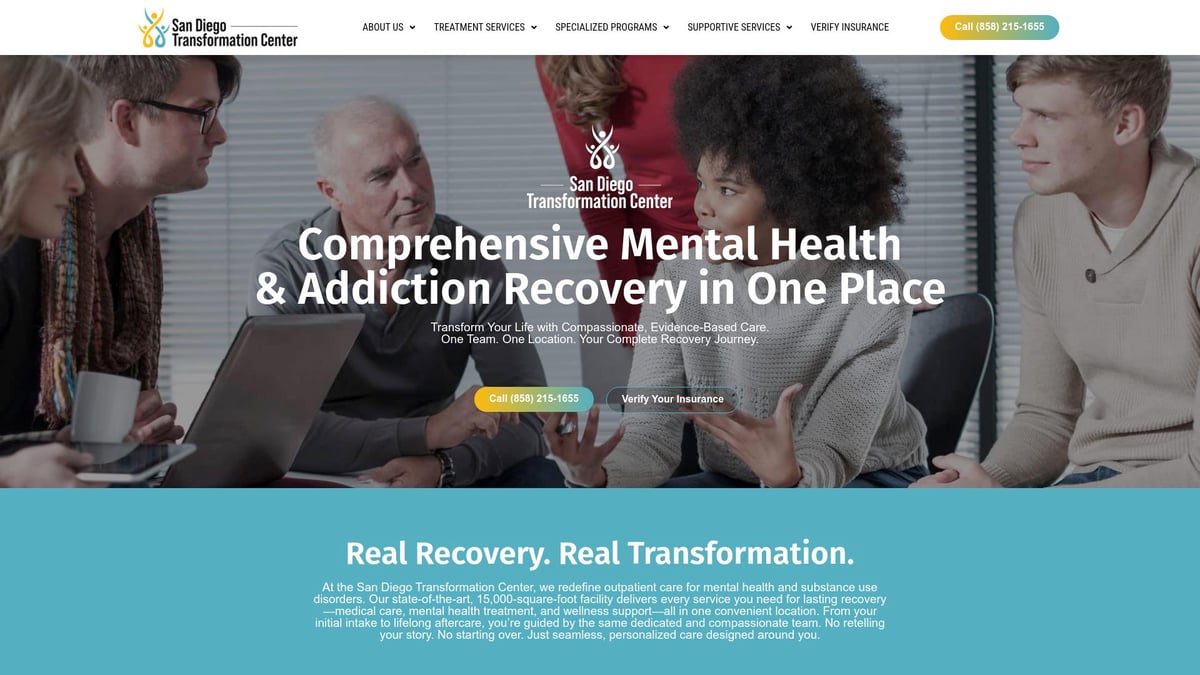
Patients should confirm which services are covered and ask for written cost estimates. Coordinating with the treatment center’s financial counselor can help maximize benefits and minimize out of pocket costs. Seamless transitions between care levels are critical, so keep all documentation and communication organized throughout your treatment journey.
When Out of Network Care Is Unavoidable
Sometimes, out of network insurance is your only option, especially in emergencies or when specialized treatment is not available locally. In these cases, document the medical necessity and request a single-case agreement from your insurer.
If you must travel for care, retain all receipts and provider notes. Legal protections may apply, especially for emergency or medically necessary out of network care. Understanding your rights and keeping thorough records ensures you are prepared to challenge unfair charges and advocate for coverage when you need it most.
Navigating out of network insurance can feel overwhelming, especially when you’re trying to prioritize your mental health or recovery journey. But remember, you’re not alone—there are clear steps you can take to make sense of your coverage, minimize costs, and get the support you deserve. If you’re ready to explore your options for outpatient care in a welcoming, state-of-the-art environment, the team at San Diego Transformation Center is here to help you every step of the way. Take the first step toward clarity, support, and lasting change—Start Your Transformation.