

The number of people turning to Suboxone for opioid recovery is on the rise, yet the reality of facing suboxone withdrawal symptoms often brings anxiety and uncertainty. Many wonder what to expect and worry about managing these challenges alone.
Suboxone withdrawal symptoms may feel daunting, but with the right knowledge, they can be managed effectively. This guide offers the most current insights for 2026, breaking down symptoms, timelines, and proven coping strategies.
You will learn what Suboxone is, why withdrawal happens, the full range of symptoms, how long withdrawal lasts, ways to safely stop, and when to seek help. Use this guide to prepare, cope, and reach out for support as you navigate your recovery journey.
What Is Suboxone and Why Is It Prescribed?
Suboxone has become a cornerstone in opioid recovery, but understanding its purpose is just as important as knowing about suboxone withdrawal symptoms. This medication combines two active ingredients, buprenorphine and naloxone, to create a safer, more effective treatment for opioid use disorder (OUD).
Buprenorphine is a partial opioid agonist. It attaches to the same receptors in the brain as drugs like heroin or oxycodone, but does not trigger the same intense high. Instead, it eases cravings and helps control suboxone withdrawal symptoms, making the recovery process more manageable. Naloxone, on the other hand, is an opioid antagonist. When taken as intended, it remains inactive, but if someone tries to misuse Suboxone intravenously, naloxone blocks the opioid effect, reducing the risk of abuse.
One of Suboxone’s most notable features is the “ceiling effect.” This means that after a certain dose, taking more buprenorphine does not produce a stronger opioid effect. This property lowers the risk of overdose, making Suboxone safer compared to many other opioid medications.
Suboxone’s role in medication-assisted treatment (MAT) has grown rapidly in recent years. In the United States, MAT programs increasingly rely on Suboxone to help people manage suboxone withdrawal symptoms and maintain long-term recovery. According to Recovery Kansas City, buprenorphine has a half-life of up to 42 hours, making it one of the longest-acting opioids available. This extended half-life helps keep withdrawal symptoms stable between doses, reducing the cycle of highs and lows.
Let’s compare Suboxone to two other common opioid replacement therapies:
| Medication | Main Component | Risk of Overdose | Misuse Deterrent | Supervision Needed |
|---|---|---|---|---|
| Suboxone | Buprenorphine/Naloxone | Lower | Yes (naloxone) | Yes |
| Methadone | Methadone | Higher | No | Yes |
| Subutex | Buprenorphine | Lower | No | Yes |
Unlike methadone, which is a full opioid agonist and carries a higher risk of overdose, Suboxone’s unique combination helps patients avoid dangerous highs and lows. Subutex, another buprenorphine-based medication, does not include naloxone, so it lacks the same misuse deterrent.
Despite its benefits, Suboxone can still lead to dependence. Even when used as prescribed, the body can adapt to its presence. This is why medical supervision is crucial, both during treatment and when stopping the medication. Patients who try to quit on their own may face significant suboxone withdrawal symptoms, including both physical and psychological challenges.
A typical patient journey might start with someone struggling with opioid dependence who enters a MAT program. With medical guidance, they begin Suboxone to stabilize cravings and mood. Over time, they work toward a lower dose, with their healthcare provider monitoring for suboxone withdrawal symptoms. Eventually, they may follow a tapering plan to minimize discomfort and maximize chances for long-term success. For more about what to expect during this stage, see this Suboxone Withdrawal Timeline and Symptoms resource.
Suboxone’s growing presence in MAT reflects its effectiveness at reducing cravings and helping people regain control of their lives. Still, understanding how it works, the risks involved, and the potential for suboxone withdrawal symptoms is essential for anyone considering or currently using this medication.
Why Does Suboxone Withdrawal Occur?
Physical dependence and addiction are often confused, but understanding the difference is key when discussing suboxone withdrawal symptoms. Physical dependence means your body has adapted to regular Suboxone use and now relies on it to function normally. Addiction, on the other hand, involves compulsive drug-seeking behavior. Even with proper medical use, Suboxone can cause physical dependence over time.
When you take Suboxone regularly, your brain adjusts its natural chemistry. Opioid receptors become used to the steady presence of buprenorphine, which partially activates them. As a result, the body reduces its own production of certain neurotransmitters. If you suddenly stop taking Suboxone, your system scrambles to regain balance, causing a range of suboxone withdrawal symptoms.
The withdrawal process is essentially your body recalibrating without the medication. Symptoms happen because your brain and nervous system are trying to restore normal function. Unlike short-acting opioids, Suboxone has a long half-life, up to 42 hours. This means withdrawal might start later, last longer, and sometimes feel drawn out. Some believe suboxone withdrawal symptoms are always milder than those from heroin or oxycodone, but this isn’t always true. The intensity and duration can vary widely from person to person.
Many people report a strong emotional component when discontinuing Suboxone. One patient shared, “Some people say quitting Suboxone feels more emotional.” Research highlights that emotional symptoms, such as depression and anxiety, can be particularly challenging during withdrawal. For more insight into what people experience during this process, see Patients’ Perspectives on Discontinuing Buprenorphine. Because of these challenges, experts strongly recommend tapering gradually under medical supervision rather than stopping abruptly — a process best supported through a structured substance use disorder treatment program that includes medically monitored detox and step-down care. A slow reduction under medical supervision helps minimize suboxone withdrawal symptoms and lowers the risk of relapse.
Understanding why suboxone withdrawal symptoms occur, and knowing how your body and mind are affected, is the first step to preparing for a safe, supported recovery journey.

Suboxone Withdrawal Symptoms: What to Expect
Facing suboxone withdrawal symptoms can be daunting, especially if you’re unsure what lies ahead. Knowing what to expect helps you prepare both physically and mentally. Symptoms often vary from person to person, but understanding the common patterns can make the process less overwhelming.
Suboxone withdrawal symptoms affect the body and mind in different ways. Most people experience a mix of physical discomfort and emotional ups and downs. Common physical signs include nausea, muscle aches, chills, and headaches. On the emotional side, anxiety, mood swings, and insomnia are frequent challenges.
How severe these suboxone withdrawal symptoms become often depends on factors like your dose, how long you’ve been on Suboxone, and your overall health. Some people describe their experience as more emotional than physical, while others struggle more with body aches and gastrointestinal issues. It’s important to remember that while these symptoms can be tough, most are temporary and can be managed with the right strategies and support.

Physical Symptoms in Detail
Physical suboxone withdrawal symptoms often resemble a severe case of the flu, though some effects are unique to opioid replacement therapy. The most common issues include:
- Nausea and vomiting: Many people report waves of nausea, which can lead to vomiting or dry heaving.
- Diarrhea: Gastrointestinal upset is frequent and can cause dehydration if not managed.
- Chills and sweating: Body temperature swings are typical, leading to sudden sweating or goosebumps.
- Muscle aches and joint pain: Aching muscles and joints, along with general fatigue, make daily activities more difficult.
- Headaches and sensitivity to light: Some experience pounding headaches or find bright lights uncomfortable.
- Runny nose, yawning, and watery eyes: These are classic signs of opioid withdrawal.
Coping with these physical suboxone withdrawal symptoms requires self-care and sometimes medical support. Staying hydrated, eating small, bland meals, and resting as much as possible can ease discomfort. Over-the-counter remedies may help with headaches or gastrointestinal upset, but consult your doctor before using any medication. If symptoms become intense or lead to complications, consider reaching out for recovering wellness during withdrawal through professional support.
Emotional and Mental Health Effects
The emotional impact of suboxone withdrawal symptoms can be just as challenging as the physical ones. Anxiety and restlessness are common, sometimes leading to panic attacks or a sense of dread. Depression, irritability, and mood swings may surface, making it hard to stay motivated or hopeful.
Sleep problems are another hallmark. Many people struggle with insomnia, tossing and turning for hours or waking up from vivid, unsettling dreams. Drug cravings often intensify during this stage, adding to emotional stress. One patient recalled, “Mood swings hit hard sometimes. One minute you’re fine. The next, you’re angry or crying over something small.”
In some cases, these suboxone withdrawal symptoms can trigger thoughts of self-harm or hopelessness. It’s crucial to recognize these feelings early and seek support from loved ones or professionals. Connecting with peer groups, counselors, or mental health services can provide relief and guidance through the toughest days.
Remember, everyone’s journey with suboxone withdrawal symptoms is unique. Recognizing your symptom patterns and reaching out for help are key steps in moving forward.
Suboxone Withdrawal Timeline: How Long Does It Last?
Understanding the timeline for suboxone withdrawal symptoms is essential for anyone preparing to discontinue this medication. Knowing what to expect at each stage can help reduce anxiety and empower you to plan for support and symptom management.
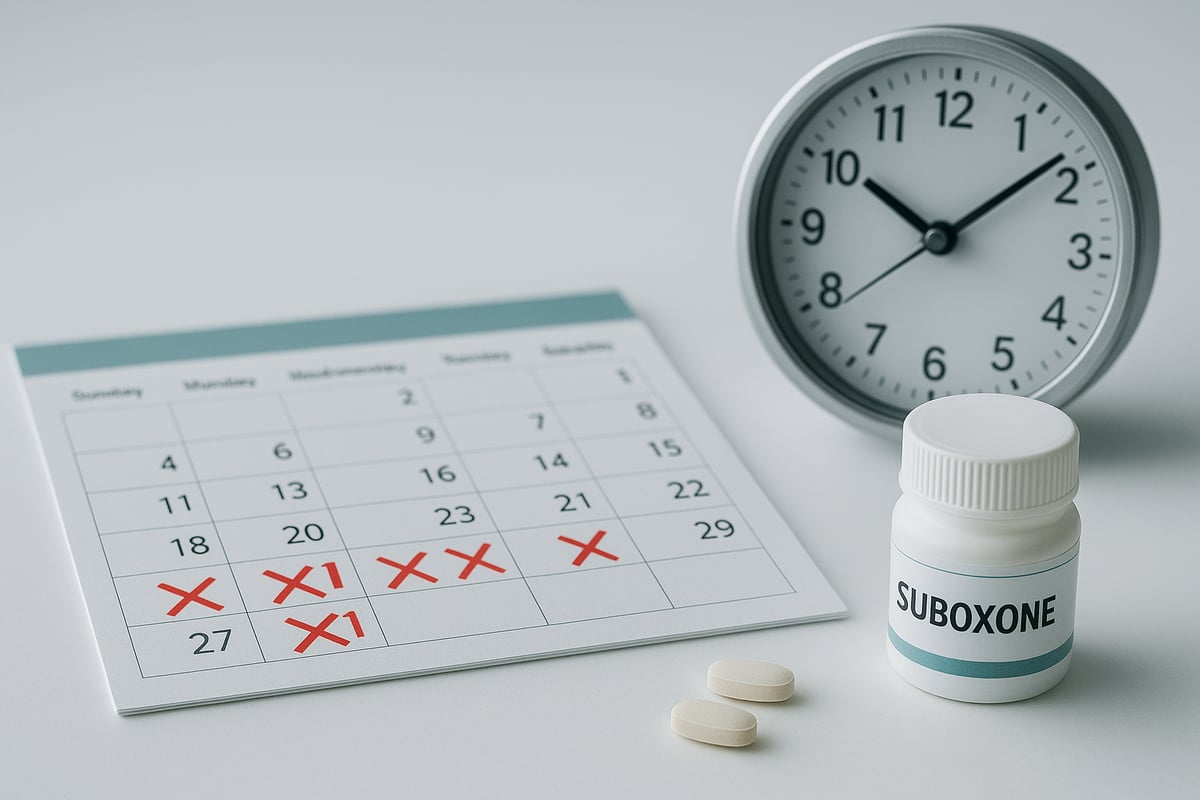
The process of suboxone withdrawal symptoms unfolds over several weeks. Because Suboxone contains buprenorphine, which has a long half-life, symptoms tend to emerge slowly but can persist longer than with short-acting opioids. Here’s a breakdown of what most people experience:
| Timeframe | Common Symptoms | Notes |
|---|---|---|
| 24 hours | Chills, mild aches, runny nose, anxiety | Early withdrawal begins |
| 72 hours | Sweating, muscle aches, nausea, insomnia | Physical symptoms peak |
| 1 week | Sleep issues, mood swings, fatigue, cravings | Some symptoms improve, others linger |
| 2 weeks | Depression, anxiety, strong cravings | Psychological symptoms dominate |
| 1 month | Lingering depression, anxiety, cravings | Some symptoms may persist |
During the first 24 hours after your last dose, suboxone withdrawal symptoms usually start with chills, mild aches, and a runny nose. Anxiety and restlessness are common, but most people can manage these early symptoms with self-care and support.
By the 72-hour mark, physical symptoms often intensify. Sweating, muscle aches, nausea, and insomnia become more noticeable. This is typically the most uncomfortable phase, but it’s also when symptoms are most predictable.
After one week, physical symptoms from suboxone withdrawal symptoms begin to subside, but fatigue, disturbed sleep, and mood swings may continue. Cravings can increase as your body adjusts to the absence of Suboxone.
At the two-week point, psychological symptoms often take center stage. Many people report depression, anxiety, and strong cravings. This period is especially challenging, as physical discomfort fades but emotional distress can intensify.
One month after stopping, some people still struggle with lingering suboxone withdrawal symptoms, such as low mood, anxiety, and cravings. While these symptoms are usually milder, they can persist and sometimes require ongoing support or treatment.
Compared to withdrawal from short-acting opioids (like heroin or oxycodone), suboxone withdrawal symptoms develop more slowly and last longer. Short-acting opioid withdrawal may peak within a few days and resolve in a week, while Suboxone’s effects can stretch the process out over several weeks.
Several factors influence how long suboxone withdrawal symptoms last, including your dosage, how long you’ve been on Suboxone, your overall health, and whether you taper or stop abruptly. Age, metabolism, mental health, and support systems also play key roles.
It’s important to remember that some symptoms, particularly psychological ones, may last beyond a month. Ongoing support, such as outpatient detox programs, can make a significant difference in comfort and safety during this time. If you feel overwhelmed, consider seeking help from a Outpatient detox for withdrawal service for personalized guidance.
Knowing the expected timeline for suboxone withdrawal symptoms can help you prepare, set realistic expectations, and connect with the right resources at each stage. Support, patience, and medical guidance are your best tools for a successful transition.
Safe Discontinuation: Tapering and Medical Management
Safely discontinuing Suboxone is a critical step for anyone concerned about suboxone withdrawal symptoms. Quitting suddenly is risky and can trigger severe discomfort, so medical experts almost always recommend a gradual approach called tapering.
Tapering involves slowly reducing your Suboxone dose over weeks or months. This strategy allows your body to adjust and minimizes the intensity of suboxone withdrawal symptoms. Most people find that a medically supervised taper makes the process more manageable, reducing both physical and emotional side effects.
A typical tapering protocol might involve decreasing the dose by 2 mg every one or two weeks, but your doctor will design a plan based on your unique needs. Factors like how long you’ve been taking Suboxone, your current dose, and your overall health all play a role in determining the safest schedule.
Tapering Protocol Examples
| Starting Dose | Weekly Reduction | Estimated Duration | Notes |
|---|---|---|---|
| 16 mg | 2 mg/week | 8 weeks | Standard, slow taper |
| 8 mg | 1 mg/week | 8 weeks | Gentle approach |
| 4 mg | 0.5 mg/week | 8 weeks | For lower doses |
Medical supervision is essential throughout this process. Your care team may recommend adjunct medications to ease suboxone withdrawal symptoms, such as:
- Sleep aids for insomnia
- Anti-nausea medications
- Non-opioid pain relievers for aches
- Medications for anxiety or mood swings
Attempting to taper on your own or stopping abruptly can lead to dangerous withdrawal, increased relapse risk, and potential overdose. Expert advice consistently confirms that professional support is key to a safer, more comfortable experience.
Support services play a major role in successful discontinuation. Many patients benefit from outpatient detox programs, telehealth check-ins, and regular counseling. Integrated programs, like a Substance use intensive outpatient program, provide tailored medical, psychological, and wellness support during withdrawal and recovery.
Consider this example: Maria had been on Suboxone for two years. With her doctor’s help, she reduced her dose by 1 mg every two weeks. She used non-opioid medications for muscle aches, joined a support group, and checked in with her care team weekly. Although she experienced some suboxone withdrawal symptoms, they were manageable, and her gradual taper gave her confidence and control.
Remember, every journey is different. The most effective way to manage suboxone withdrawal symptoms is through a personalized tapering plan, regular medical monitoring, and a strong support system. With the right strategies, you can minimize discomfort and set yourself up for long-term success.
Coping Strategies and Support During Suboxone Withdrawal
Facing suboxone withdrawal symptoms can feel overwhelming, but you are not alone. With the right strategies and support, it is possible to manage discomfort and improve your chances of a successful recovery.
Practical Self-Care for Physical Relief
Managing suboxone withdrawal symptoms starts with taking care of your body. Drink plenty of water to stay hydrated, as symptoms like sweating and diarrhea can quickly lead to dehydration. Eat small, nutritious meals to maintain your energy and support recovery.
Gentle movement, such as walking or stretching, can help ease muscle aches and boost your mood. Prioritize sleep by creating a calming bedtime routine, limiting screen time, and keeping your room cool and dark. If you are struggling with nausea or stomach upset, bland foods like toast or bananas may be easier to tolerate.
Building a Support Network
Do not underestimate the power of connection during suboxone withdrawal symptoms. Lean on trusted friends, family members, or recovery peers who understand what you are experiencing. Sharing your feelings and progress can reduce isolation and provide encouragement.
Peer support groups, both in-person and online, offer a safe space to talk about challenges and successes. Many people find that connecting with others who are also managing suboxone withdrawal symptoms makes the process feel less daunting.
Professional Help and Emotional Wellness
Professional guidance can make a significant difference in coping with suboxone withdrawal symptoms. Addiction counselors and therapists can help you process emotions, address underlying issues such as depression or anxiety that frequently co-occur with opioid dependence — one of the more common dual diagnosis scenarios — and develop healthy coping skills. Medical providers may recommend medications for sleep, anxiety, or nausea to make symptoms more manageable.
Emotional symptoms like depression or numbness are common. If you notice persistent sadness, irritability, or trouble enjoying life, consider reading Coping with emotional numbness for practical advice and support resources.
Mindfulness, Relaxation, and Lifestyle Adjustments
Mindfulness techniques help you stay grounded and manage cravings or anxiety. Try deep breathing, guided meditation, or progressive muscle relaxation to calm your mind and body. Even a few minutes per day can make a difference in how you handle suboxone withdrawal symptoms.
Establish a daily routine with structure and purpose. Avoid people, places, or situations that trigger cravings. Break your day into small, manageable tasks, and celebrate each milestone. If you are supporting an adolescent or want age-specific guidance, see Managing Suboxone Withdrawal in Adolescents for tailored strategies.
Digital Resources, Real-Life Examples, and Knowing When to Seek Help
Take advantage of digital resources, such as recovery apps, online forums, and virtual support groups. These tools can help you track your progress, connect with others, and access 24/7 encouragement for suboxone withdrawal symptoms.
Real-life stories show that while the journey is tough, people do make it through. For example, one individual described how journaling and regular therapy sessions helped reduce cravings and build confidence during withdrawal.
If you experience severe symptoms like uncontrolled vomiting, chest pain, suicidal thoughts, or an inability to function, seek medical help immediately. Reaching out for help is a sign of strength, not weakness.
Taking proactive steps, building a support system, and using available resources can make coping with suboxone withdrawal symptoms less intimidating. Recovery is possible, and support is always within reach.
Frequently Asked Questions About Suboxone Withdrawal
Navigating suboxone withdrawal symptoms can be confusing, especially with so much information out there. Here are clear answers to the most common questions people ask about the process.
What are the most common suboxone withdrawal symptoms?
The most frequent suboxone withdrawal symptoms include nausea, vomiting, diarrhea, chills, sweating, muscle aches, headaches, and insomnia. Psychological symptoms like anxiety, depression, mood swings, and drug cravings are also common. According to Recovery Kansas City and Touchstone Recovery Center, symptoms can vary, but most people experience a combination of both physical and emotional effects.
How long does suboxone withdrawal last?
Typically, suboxone withdrawal symptoms start within 24 to 72 hours after the last dose. Physical symptoms peak in the first week and may ease after 10 to 14 days, while psychological symptoms like cravings or depression can linger for several weeks. Factors like dosage, duration of use, and individual health affect the timeline.
Is it better to taper off Suboxone or stop abruptly?
Stopping suddenly, or “cold turkey,” can cause severe suboxone withdrawal symptoms and greatly increase the risk of relapse. Gradual tapering under medical supervision is safer and more effective. Studies show relapse rates can reach up to 90% when quitting without a taper or support.
What helps with nausea and GI symptoms during withdrawal?
To manage nausea and GI issues:
- Stay hydrated with water or electrolyte drinks
- Eat small, bland meals (like toast, bananas, or rice)
- Use over-the-counter remedies for nausea or diarrhea as advised by a doctor
- Rest and avoid caffeine or spicy foods
If symptoms are severe or persistent, consult your healthcare provider.
Is suboxone withdrawal worse than opioid withdrawal?
Suboxone withdrawal symptoms often develop more slowly and last longer than withdrawal from short-acting opioids like heroin. However, the severity can be similar, especially emotionally. Some people say the process feels more drawn out and emotionally challenging, even if physical symptoms are milder.
Can suboxone withdrawal be managed at home?
Mild to moderate suboxone withdrawal symptoms can sometimes be managed at home with support and self-care. However, medical supervision is recommended, especially for those with underlying health issues, high doses, or a history of relapse. If symptoms become severe or unmanageable, seek professional help.
How can I support a loved one going through suboxone withdrawal?
Offer encouragement, patience, and practical help:
- Listen without judgment
- Help them stick to a routine and healthy habits
- Encourage them to seek medical advice or join support groups
- Watch for signs of severe distress and know when to call for help
Remember, your support can make a significant difference in their recovery journey.
If you’re feeling overwhelmed by the idea of Suboxone withdrawal, remember you’re not alone—many have walked this path and found hope on the other side. Understanding your symptoms, knowing what to expect, and having the right support can make a world of difference. At San Diego Transformation Center, you’ll find compassionate care, expert guidance, and a team dedicated to your long-term well-being—every step of the way, from your first questions to aftercare. If you’re ready to take control of your recovery journey, let’s make this next step together. Start Your Transformation