


In 2026, achieving lasting wellness after illness, addiction, or trauma is more possible than ever thanks to dynamic, evidence-based approaches. The heal recovery journey is no longer just about managing symptoms. It is about embracing holistic, expert-backed strategies for mind and body.
This guide will show you how to build a strong foundation for healing, follow actionable recovery steps, leverage the latest innovations, and tap into the support systems that matter most. Ready to take control of your well-being? Let’s explore the path to sustainable, lifelong wellness together.
Foundations of Healing: Understanding Lasting Recovery
Understanding the core principles behind heal recovery is the first step toward lasting wellness. In 2026, the meaning of recovery has evolved, embracing a holistic and evidence-driven approach that empowers individuals to reclaim their lives.

Defining Recovery in 2026
The definition of heal recovery has transformed significantly. Today, it goes far beyond simply managing symptoms. Recovery is now understood as a dynamic, lifelong process that nurtures physical, mental, and social health. Instead of focusing on acute care alone, modern heal recovery emphasizes ongoing well-being, adapting to each individual’s changing needs.
A holistic approach is key. This means integrating evidence-based therapies with support for lifestyle changes, social connection, and emotional resilience. The shift is supported by research, as seen in the NIH HEAL Initiative, which recognizes recovery support services as essential. For example, many programs now blend mental health care, substance use treatment, and lifestyle coaching under one roof, making heal recovery more accessible and effective.
Consider how a comprehensive program might offer medical care, counseling, nutrition advice, and peer support all in one place. This integrated model not only addresses immediate needs but also builds a foundation for lasting change. For readers seeking a deeper dive into holistic, evidence-based strategies, the Comprehensive recovery guide is an excellent resource.
Common Barriers and Misconceptions
Despite progress, significant barriers still impact heal recovery for many. Stigma remains a powerful force, often discouraging people from seeking help for addiction or mental health challenges. Another misconception is that heal recovery is linear or fits a one-size-fits-all pattern, when in reality, each journey is unique and can involve setbacks and breakthroughs.
Access to comprehensive care is another hurdle. Many individuals face fragmented systems, limited resources, or social determinants like unstable housing and unemployment, making heal recovery more difficult. According to NIH data, only a fraction of those needing support receive truly integrated care. This is especially true for individuals managing co-occurring disorders, who often have to navigate multiple services without coordination.
Education and advocacy are critical in breaking down these barriers. By raising awareness, promoting integrated care, and supporting policies that expand access, communities can make heal recovery more attainable for everyone. Understanding these challenges is the first step in creating a more supportive, effective recovery landscape.
Step-by-Step: Expert Strategies for Sustainable Recovery
Lasting wellness is not achieved overnight. The heal recovery journey in 2026 is built on proven strategies, personalized action, and ongoing support. By following these expert-backed steps, you can create a strong foundation for sustainable change, no matter your starting point.

Step 1: Comprehensive Assessment & Goal Setting
Every successful heal recovery plan starts with a thorough, individualized assessment. This means looking at your medical history, mental health, and social environment. A clear assessment helps professionals pinpoint specific needs and risks.
Setting SMART goals—Specific, Measurable, Achievable, Relevant, and Time-bound—keeps your heal recovery on track. Goals might include milestones like completing a therapy program, improving sleep habits, or building a support system.
Involving family and trusted friends in your planning process can be a game changer. Many modern centers use digital tools to gather data and set personalized goals. Studies show that family-based recovery models can boost long-term outcomes and increase motivation.
Step 2: Evidence-Based Treatment Modalities
The next step in heal recovery is choosing the right treatment strategies. Today, evidence-based therapies like Cognitive Behavioral Therapy (CBT), Eye Movement Desensitization and Reprocessing (EMDR), and medication-assisted treatment (MAT) are widely used.
Outpatient and intensive outpatient programs offer flexibility and structure, while integrated care addresses co-occurring disorders. Peer Recovery Innovation Networks are making a difference by supporting medication adherence and engagement.
Peer support, combined with professional therapies, can dramatically improve results. In fact, MAT retention rates are higher when peer support is part of the plan. For a deeper dive into leading therapies and personal stories, explore these Recovery blog articles.
Step 3: Building Healthy Routines and Life Skills
A major driver of heal recovery is building healthy daily routines. Structure helps minimize chaos and supports positive habits. Key life skills include stress management, effective communication, and vocational training.
Physical wellness is also crucial. Making time for regular exercise, balanced nutrition, and good sleep hygiene can boost mood and energy. Many recovery centers now offer on-site gyms and nutrition programs, making it easier to develop lasting habits.
Clinical studies reveal that people with structured routines are 30 percent less likely to relapse. Focusing on life skills and daily wellness can make your heal recovery journey smoother and more sustainable.
Step 4: Relapse Prevention & Resilience Building
Relapse prevention is a cornerstone of heal recovery. The first step is identifying your unique triggers and learning healthy ways to cope. This may include ongoing therapy, participation in peer groups, or using digital tracking tools.
Family involvement can offer extra support during tough times. Many individuals rely on mobile apps for real-time encouragement and accountability. These tools make it easier to reach out for help before small setbacks become big challenges.
Ongoing aftercare and resilience training can cut relapse risk by up to 50 percent. Building resilience means learning to bounce back, adapt, and keep moving forward, even when obstacles arise on your heal recovery path.
Step 5: Long-Term Aftercare & Community Engagement
True heal recovery extends far beyond initial treatment. Aftercare planning and reintegration into the community are essential for long-term success. Aftercare may include alumni programs, recovery housing, or continued therapy.
Engaging with recovery communities and support networks offers a sense of belonging and purpose. Recovery community centers often serve as hubs for connection and ongoing growth.
Research shows that active participation in community and aftercare services increases satisfaction and reduces the risk of returning to old habits. By staying connected and involved, you strengthen your heal recovery journey for the long haul.
Innovations Shaping Recovery in 2026
Recovery in 2026 is powered by groundbreaking innovation. Whether you are navigating heal recovery from addiction, illness, or trauma, new tools and approaches make the journey more effective and accessible than ever. Let’s explore the transformative advancements shaping lasting wellness today.
Technology-Driven Recovery Tools
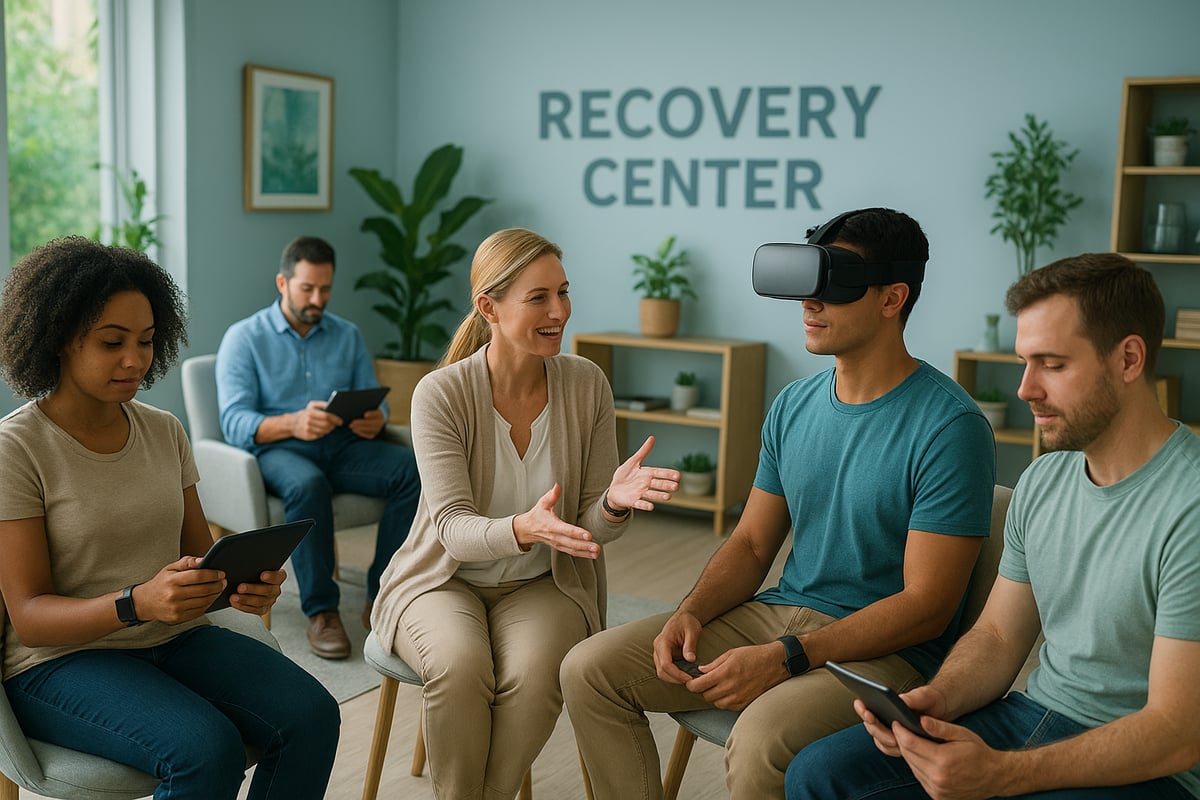
Digital innovation is at the core of heal recovery progress. Telehealth now connects clients to therapists and doctors from anywhere, removing geographic barriers to quality care. Mobile apps support self-monitoring, medication reminders, and offer instant peer support, making it easier to stay on track.
Virtual reality is emerging as a powerful tool for exposure therapy and stress reduction, offering immersive ways to manage triggers and anxiety. For example, NIH-funded projects are piloting digital interventions that blend these tools, creating personalized, on-demand support. Today, 60 percent of recovery centers provide some form of virtual assistance, proving how technology is reshaping the heal recovery landscape.
- Telehealth sessions for therapy and medical management
- Mobile apps for tracking progress and medication
- Virtual reality for exposure therapy and relaxation
These digital innovations empower individuals to manage their heal recovery with confidence and convenience.
Integrated and Holistic Care Models
Integrated care is redefining what it means to achieve heal recovery. Instead of treating symptoms in isolation, modern programs combine mental health, substance use, and physical wellness. Personalized care plans are crafted using genetics, lifestyle, and patient preferences, ensuring a custom fit for every journey.
Holistic approaches like yoga, mindfulness, and art therapy are now staples in many recovery centers. These therapies are not only evidence-based but also support emotional and physical healing. Centers offering all-in-one care under one roof see improved engagement and outcomes compared to traditional models.
- Personalized care plans for every individual
- Integrative therapies such as yoga and mindfulness
- Combined support for physical, emotional, and mental health
Data shows that holistic programs increase participation and satisfaction in the heal recovery process.
Peer and Family Support Innovations
Peer and family support are essential pillars of heal recovery in 2026. Peer recovery support services have expanded, offering mentorship and guidance from individuals who have walked a similar path. Virtual and in-person family education programs empower loved ones to play an active role in the healing process.
Peer-led interventions are especially effective in encouraging medication adherence and ongoing engagement. The Peer Recovery Innovation Network (PRIN) is one example of how collaboration is driving better results. Peer support has been linked to a 25 percent higher retention rate in treatment programs.
- Peer mentors and recovery coaches for guidance
- Family education sessions, both online and onsite
- Peer-led groups for ongoing support and motivation
These innovations ensure that heal recovery is a shared journey, not a solo effort.
Research and Funding Advances
Investment in research is accelerating the evolution of heal recovery. The NIH HEAL Initiative is a driving force, funding collaborative recovery research networks and pilot-testing new models and tools. These efforts are making recovery more tailored and effective for diverse populations.
Collaborative hubs focus on emerging adult recovery research, while family-based support projects target youth opioid use disorder. Increased research means more evidence-based options and continuous improvement in outcomes. To learn more about the ongoing impact of research and funding, explore the NIH HEAL Initiative Overview.
- Funding for innovative recovery programs and tools
- Research hubs advancing clinical best practices
- Family-based support models for youth and adults
As research continues to grow, so do the possibilities for a brighter, more sustainable heal recovery future.
The Role of Support Systems: Family, Peers, and Community
Support systems are the backbone of any successful heal recovery journey. No one achieves lasting wellness in isolation, and the presence of strong family, peer, and community connections is often the difference between temporary change and lifelong transformation.
| Support System | Main Benefit | Impact on Heal Recovery |
|---|---|---|
| Family | Emotional backing, practical help | Reduces relapse, improves outcomes |
| Peers | Shared experiences, motivation | Boosts engagement, medication adherence |
| Community | Resources, stability, belonging | Promotes reintegration, retention |

Family Involvement in Recovery
Families play a pivotal role in heal recovery, providing both emotional support and practical assistance. Modern recovery programs increasingly adopt family-centered care, recognizing that healing extends beyond the individual. Education for families, such as workshops and support groups, empowers loved ones to understand the recovery process and offer meaningful help.
For example, family-based recovery support networks funded by the NIH have demonstrated that when families are engaged, individuals experience improved outcomes and reduced relapse rates. These programs often include counseling, communication training, and structured involvement in treatment planning.
A strong family presence helps break down stigma and fosters a sense of belonging, which is crucial for long-term wellness. By staying involved, families can help identify early warning signs and encourage ongoing commitment to heal recovery goals.
Peer Support and Recovery Communities
Peer mentors and recovery coaches offer a unique perspective in the heal recovery process. Having walked the path themselves, peers provide empathy, motivation, and practical advice that professionals alone cannot always deliver. Participation in community recovery centers and peer-led groups has been shown to improve medication adherence and overall engagement.
Peer support services are now standard in many recovery programs, thanks to their proven effectiveness. According to recent data, peer-led interventions are linked to 25 percent higher retention in treatment. These connections can be life-changing, especially for those who feel isolated or misunderstood.
Innovative initiatives, such as Recovery Research Networks, are expanding the reach and quality of peer support and trauma-informed care by bringing together experts, people with lived experience, and community resources. This collaborative approach strengthens the foundation for every heal recovery journey.
Overcoming Social and Environmental Barriers
Heal recovery often hinges on more than just individual effort. Social determinants like housing, employment, and stigma can create significant obstacles. Addressing these barriers requires partnerships between recovery programs and community organizations to provide wraparound support.
Recovery housing, for example, offers a stable environment that increases retention rates by 40 percent. Collaborations with employers and local agencies help individuals find meaningful work and rebuild their sense of purpose.
Community engagement is equally vital. By connecting with local resources and advocacy groups, individuals can access the support they need to overcome systemic challenges. This comprehensive approach ensures that heal recovery is not only possible but sustainable, regardless of a person’s starting point.
Personalized Wellness Planning for Lasting Results
Personalized wellness planning is at the heart of lasting heal recovery. In 2026, individuals are empowered to take charge of their wellness journey, blending expert guidance with personal strengths and preferences. This tailored approach ensures that every step is meaningful, actionable, and sustainable for long-term well-being.
Creating a Holistic Recovery Plan
A successful heal recovery journey begins with a holistic plan, built around individual strengths, needs, and life goals. Professionals work closely with each person to assess:
- Medical history and current health
- Psychological well-being and emotional needs
- Social environment and support systems
This assessment often includes digital planning tools, allowing real-time adjustments and collaborative goal setting. Integrating medical, psychological, and social objectives creates a roadmap that adapts as life changes. Research shows that optimizing addiction services through personalized planning increases adherence and satisfaction, making each step of heal recovery more effective.
Monitoring Progress and Adjusting Strategies
Tracking progress is essential to heal recovery. Regular check-ins, whether in person or through digital apps, help individuals and care teams measure outcomes and celebrate growth. Many use wearable devices, journals, or mobile applications to monitor:
- Mood and mental health changes
- Sleep patterns and physical activity
- Medication adherence and therapy milestones
Ongoing feedback ensures that strategies remain relevant. If challenges arise, care plans are adjusted promptly, supporting continued momentum. Programs using active monitoring report higher success rates, demonstrating that flexible, responsive approaches are key to sustainable heal recovery.
Building Resilience and Life Purpose
Long-term heal recovery thrives on resilience and a renewed sense of purpose. Building these qualities involves practices like:
- Mindfulness and gratitude exercises
- Participation in community service or peer support
- Setting personal and vocational goals
Many recovery programs offer skill-building workshops and encourage involvement in meaningful activities. Data reveals that engaging in purposeful pursuits is closely linked to sustained wellness. By focusing on resilience and life purpose, individuals transform their heal recovery journey into a foundation for lifelong fulfillment.
Navigating Resources and Accessing Quality Care
Accessing the right heal recovery resources can make all the difference in your journey. With so many options available in 2026, knowing where to start is key. Let’s break down how to find quality care, navigate financial questions, and tap into the best support networks to ensure your path to lasting wellness is clear.
Finding Accredited and Evidence-Based Programs
Choosing the right heal recovery program starts with ensuring it is accredited and based on proven methods. Accreditation by organizations like the Joint Commission or relevant state bodies signals a commitment to quality and safety.
Look for programs that offer integrated care, combining physical, mental, and social health support. Many accredited centers also provide aftercare planning and family involvement, both crucial for long-term success.
To simplify your search, use directories like Accredited recovery programs to find trusted providers in your area. Always ask about the therapies offered, staff credentials, and aftercare options before enrolling.
Understanding Insurance and Financial Options
Navigating the financial side of heal recovery can feel overwhelming, but there are more options than ever. Most accredited programs accept a range of insurance plans, including Medicaid and Medicare.
Ask centers about financial assistance, sliding scale fees, or payment plans. Many now offer dedicated staff to help you verify insurance benefits and maximize coverage.
If you are uninsured or underinsured, local nonprofits and public health agencies may offer grants or subsidized care. The right financial support can remove barriers and keep your focus on healing.
Leveraging National and Local Support Networks
A strong support system is vital for heal recovery success. National initiatives and local organizations offer a web of resources, from helplines to peer-led groups.
Engage with networks that provide ongoing education, community events, and crisis support. To find local options, consult resources like Local recovery resources for up-to-date listings in your area.
Participating in these networks increases your access to care and connects you with others who share your goals. Community engagement is often the missing puzzle piece for sustained wellness.
Upcoming Trends and Future Directions
The future of heal recovery is bright, with new advancements on the horizon. Expect to see more personalized and integrated care models, leveraging digital tools for real-time monitoring and support.
Research continues to drive innovation, resulting in therapies tailored to individual needs and lifestyles. Programs are also expanding to address social determinants like housing and employment, making recovery more accessible and holistic.
Staying informed about these trends will help you make proactive choices and benefit from the latest breakthroughs in recovery science.
If you’re feeling inspired by these expert strategies for lasting wellness, remember, you don’t have to figure it all out alone. At San Diego Transformation Center, you’ll find real support—personalized care, a welcoming team, and the tools you need for long term recovery, all under one roof. Whether you’re just starting out or ready to take the next step, you deserve a plan that’s built around you. If you’re ready to put what you’ve learned into action and begin your own transformation, Start Your Transformation.