


In 2026, the need for lifeskills outpatient services is more urgent than ever as mental health and addiction recovery approaches continue to evolve. This guide will help you understand exactly what to expect from lifeskills outpatient services, from new levels of care and advanced treatment methods to the real experiences of patients and the innovative therapies now available. Discover how Lifeskills is setting new standards in recovery, hear inspiring success stories, and learn how you or a loved one can take the next step toward lasting wellness and transformation.
The Evolution of Lifeskills Outpatient Services in 2026
The landscape of mental health and addiction treatment has transformed rapidly in recent years, and lifeskills outpatient services are at the forefront of this evolution. As awareness of mental health challenges grows, more individuals are seeking support that fits their lives, schedules, and unique needs.
One of the most significant shifts is the rising demand for flexible, community-based care. People no longer want to uproot their lives for treatment, so lifeskills outpatient services now offer personalized options that allow patients to maintain work, school, and family responsibilities. This trend is also fueled by increased investment in outpatient clinics, as highlighted in the Behavioral Health Investments Shift to Clinics article, which explores how the industry is moving toward accessible, local care.
Another hallmark of modern lifeskills outpatient services is the seamless integration of mental health and substance use disorder care. In the past, these conditions were often treated separately, but today’s programs recognize the importance of addressing co-occurring disorders together. This integrated approach leads to better outcomes and a more comprehensive recovery process.
Technology plays a vital role as well. Telehealth and digital support tools have expanded access to lifeskills outpatient services, breaking down barriers related to geography and mobility. Patients can now attend therapy sessions, access educational resources, and communicate with their care team from the comfort of home. Digital platforms also support progress tracking, appointment reminders, and ongoing engagement, making care more convenient and effective.
Personalized, evidence-based treatment planning is another core element. Lifeskills outpatient services use a range of proven therapies to tailor each plan to the individual’s diagnosis, goals, and preferences. This ensures that care is both effective and adaptable as the patient’s needs evolve over time.
Wellness is now seen as a holistic goal. Beyond clinical therapy, lifeskills outpatient services support physical health, emotional resilience, and vocational growth. Patients might participate in nutrition counseling, fitness activities, or job readiness programs, all designed to help them thrive in every aspect of life.
Regulatory changes and updated accreditation standards continue to shape service delivery. New guidelines emphasize quality, safety, and measurable outcomes, pushing providers like lifeskills outpatient services to maintain the highest clinical standards. These changes also improve transparency and accountability for families seeking trustworthy care.
The results speak for themselves. According to industry data, outpatient treatment programs have grown by over 30 percent in the past five years, with patient satisfaction and recovery rates at all-time highs. Lifeskills outpatient services are leading the charge by embracing innovation, personalization, and a commitment to whole-person healing.
Levels of Care: PHP, IOP, and Transitional Living Explained
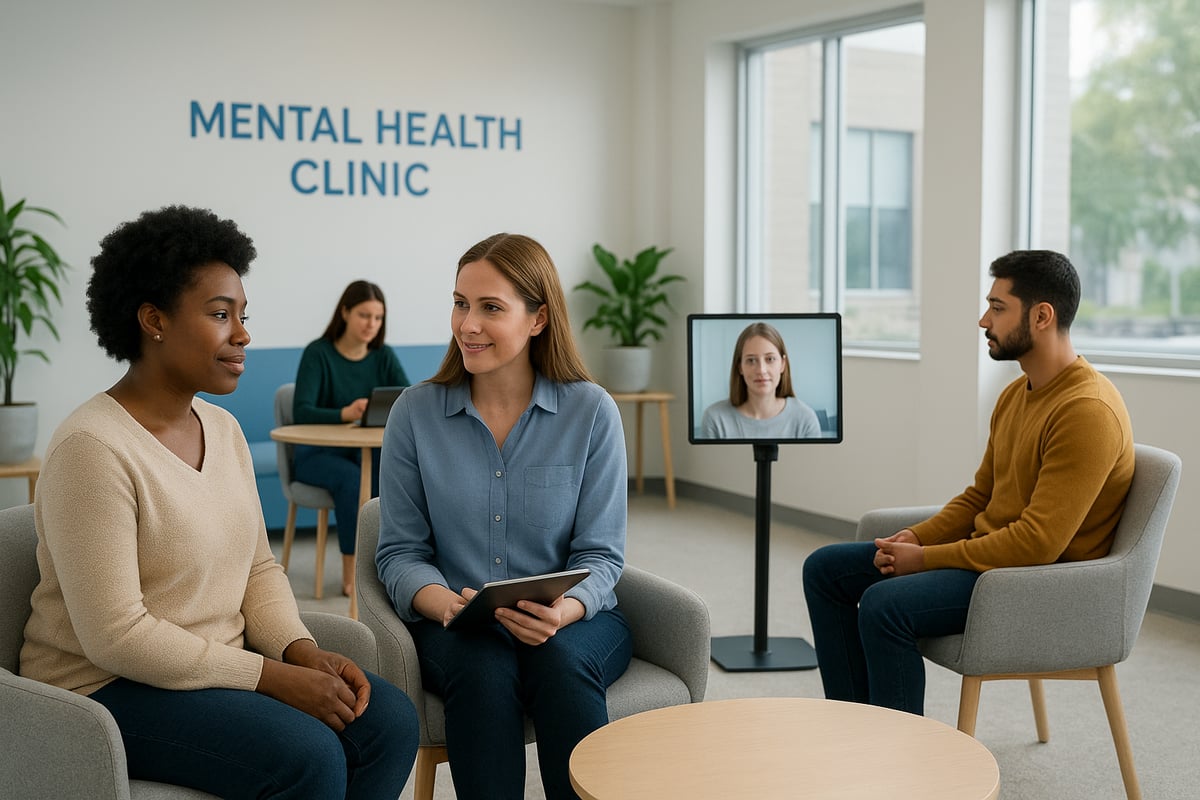
Understanding the levels of care in lifeskills outpatient services is key to finding the right fit for your recovery journey. Each level offers a unique blend of structure, support, and flexibility, meeting diverse needs as patients move toward independence.
The Continuum of Care: PHP, IOP, and Transitional Living
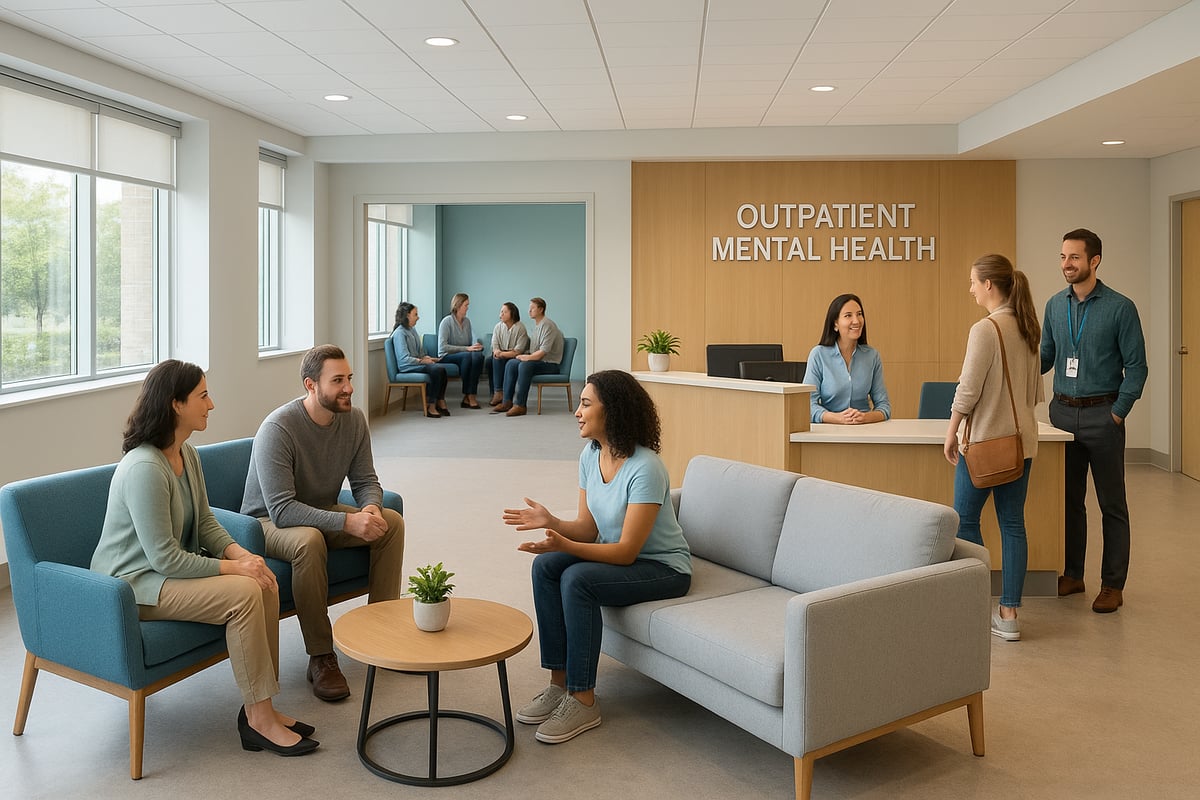
Lifeskills outpatient services are built around a continuum of care, allowing patients to step up or down in intensity as needed. Here’s a quick overview:
| Level of Care | Typical Schedule | Admission Criteria | Average Length of Stay | Key Features |
|---|---|---|---|---|
| PHP (Partial Hospitalization) | 5-6 days/week, 6-8 hours/day | Acute symptoms, need daily support | 2-4 weeks | Structured therapy, medical oversight |
| IOP (Intensive Outpatient) | 3-5 days/week, 3-4 hours/day | Moderate symptoms, step-down need | 4-8 weeks | Flexible scheduling, group focus |
| Transitional Living | Residential, flexible outpatient | Stable, ready for more autonomy | 1-6 months | Life skills, vocational support |
This stepped approach in lifeskills outpatient services ensures patients receive the ideal balance of structure and independence.
Partial Hospitalization Program (PHP)
PHP is the most intensive outpatient level, designed for individuals needing daily, hands-on support without overnight stays. Patients in lifeskills outpatient services’ PHP attend full-day sessions, engaging in therapy, skills training, and wellness activities.
Admission criteria typically include:
- Recent stabilization from crisis or inpatient care
- Ongoing symptoms requiring daily monitoring
- Motivation for active participation
A typical PHP day blends individual counseling, group therapy, medication management, and holistic wellness. This immersive experience helps patients build a strong foundation before progressing to less intensive care.
Intensive Outpatient Program (IOP)
IOP offers greater flexibility, perfect for those ready to balance treatment with work, school, or family life. Clients in lifeskills outpatient services’ IOP attend sessions several days per week, focusing on skill-building and relapse prevention.
Key elements of IOP include:
- Small group therapy and psychoeducation
- Continued access to medical and psychiatric care
- Personalized goal setting and progress reviews
Most IOP participants benefit from a supportive community while gradually increasing their independence. According to recent research, there has been a rise in psychotherapy outpatient visits, highlighting the growing effectiveness and appeal of structured outpatient programs like IOP.
Transitional Living: Bridge to Independence
Transitional living is for those who need a supportive home base while practicing new skills in daily life. Residents in lifeskills outpatient services’ transitional programs live in supervised settings and attend outpatient sessions, blending autonomy with accountability.
Features of transitional living include:
- Safe, sober housing
- Life skills and vocational training
- Peer support and community integration
This level is crucial for sustained recovery, offering time and space to solidify changes before full independence.
Pathways and Individualized Transitions
The journey through lifeskills outpatient services is rarely linear. Patients may step up or down between PHP, IOP, and transitional living, depending on their progress and needs.
Transition decisions are made collaboratively, with input from clinical teams, patients, and families. Individualized care planning is central, ensuring each person receives support tailored to their strengths, challenges, and goals.
A Week in the Life: Example Schedule
To illustrate, here’s what a typical week might look like for a PHP and IOP participant:
PHP Participant:
- Monday to Friday: 9am-3pm, group therapy, individual counseling, wellness activities
- Daily lunch and mindfulness sessions
- Medication check-ins twice a week
IOP Participant:
- Monday, Wednesday, Friday: 9am-12pm, group and skills groups
- Weekly individual therapy
- Optional evening support group
Average lengths of stay vary, but most patients spend 2-4 weeks in PHP and 4-8 weeks in IOP, with outcomes improving as engagement increases. This flexible, patient-centered approach is what makes lifeskills outpatient services a leader in recovery care.
Conditions Treated: Comprehensive, Integrated Care
Navigating the journey to recovery requires specialized support for a wide range of mental health and substance use challenges. Lifeskills outpatient services provide comprehensive, integrated care designed to address both common and complex conditions with a personalized touch. Whether you are facing anxiety, depression, or dual diagnoses, these services offer a lifeline for real and lasting change.

Primary Conditions Treated
Lifeskills outpatient services are equipped to treat a broad spectrum of mental health and substance use disorders. The most common conditions addressed include:
- Anxiety disorders (generalized, panic, social)
- Major depressive disorder and mood disorders
- Bipolar disorder
- Personality disorders (borderline, avoidant, etc.)
- Trauma-related disorders (PTSD, complex trauma)
- Psychosis and thought disorders
- Substance use disorders (alcohol, opioids, stimulants, etc.)
- Co-occurring (dual diagnosis) conditions
This approach ensures that each individual receives care tailored to their unique needs, no matter how complex their diagnosis may be.
Dual Diagnosis Expertise and Integrated Care
A significant number of individuals seeking lifeskills outpatient services present with co-occurring mental health and substance use disorders. In fact, recent data shows that nearly 60% of patients treated in 2025-2026 had a dual diagnosis, underscoring the importance of integrated care.
| Condition Type | Percentage of Lifeskills Patients (2025-2026) |
|---|---|
| Mental Health Only | 30% |
| Substance Use Only | 10% |
| Co-occurring (Dual Diagnosis) | 60% |
This high prevalence highlights why lifeskills outpatient services prioritize dual diagnosis expertise. By blending mental health and addiction treatment, patients receive seamless support that addresses the root causes and symptoms together. Increased funding and support, such as Medicare’s $8.1B Boost for Outpatient Care, are helping make these integrated services more accessible than ever.
Reducing Stigma and Empowering Patients
Breaking down stigma is at the heart of lifeskills outpatient services. The program fosters an environment where patients are seen, heard, and respected, regardless of their diagnosis. Educational workshops, peer support groups, and family involvement all contribute to a culture of empowerment.
Patients are encouraged to take an active role in their recovery journey. By focusing on strengths and resilience, lifeskills outpatient services help individuals move beyond labels and reclaim their sense of purpose.
Specialized Tracks and Personalization
Every person’s recovery path is unique. Lifeskills outpatient services offer specialized tracks tailored for trauma survivors, veterans, women, and others with distinct needs. These tracks combine evidence-based therapies with holistic supports like vocational training and wellness programs.
Treatment plans are not static. Ongoing evaluation ensures that interventions are adjusted as progress is made, so care remains relevant and effective at every stage. This personalization is a cornerstone of the success seen in lifeskills outpatient services.
Case Study: Dual Diagnosis Success
Consider the story of a recent graduate who entered lifeskills outpatient services with both PTSD and opioid use disorder. Through an individualized treatment plan, which included trauma-focused therapy, medication management, and family counseling, this patient achieved lasting recovery. Their journey is a testament to the power of integrated care and the compassionate expertise found within lifeskills outpatient services.
By providing comprehensive, adaptable, and stigma-free treatment, lifeskills outpatient services empower individuals and families to embrace hope, healing, and a brighter future.
What to Expect: The Patient Experience in 2026
Stepping into lifeskills outpatient services in 2026, you’ll find a welcoming, forward-thinking environment designed for real-life transformation. The journey is carefully structured to empower every individual, blending clinical expertise, digital innovation, and personal connection.
From your very first day, you’ll notice that lifeskills outpatient services are all about personalized care. The orientation process pairs you with a dedicated clinical team who will help set your unique goals. This initial meeting is your chance to share your story, clarify expectations, and map out your treatment path.
Each morning, patients participate in a brief goal-setting session. This is more than a check-in—it’s an opportunity to set intentions and focus your recovery. Group therapy follows, where you’ll join peers in evidence-based sessions that address core challenges like anxiety, depression, trauma, or substance use. These groups are led by licensed professionals trained in the latest therapeutic techniques.
Throughout the day, your schedule will include a mix of group and individual therapy, recreational activities, and wellness breaks. Lifeskills outpatient services integrate holistic wellness, so you might find yourself participating in yoga, mindfulness groups, or nutrition workshops. These activities support overall well-being, helping you build healthy habits for life.
A standout feature of lifeskills outpatient services in 2026 is the seamless use of digital technology. Patients engage with secure apps and online portals for progress tracking, appointment reminders, and supplemental resources. Telehealth sessions are offered for added flexibility, making care more accessible than ever. According to recent studies, the Telehealth Expansion in Outpatient Psychiatry has played a crucial role in improving outcomes and convenience for both patients and providers.
Progress reviews are built into your weekly routine. Your clinical team will review your achievements, discuss challenges, and adjust your treatment plan as needed. This ongoing feedback loop ensures that lifeskills outpatient services remain responsive to your evolving needs.
Peer support is another cornerstone. Whether through structured group activities or informal conversations in communal spaces, you’ll have opportunities to connect, share experiences, and build a supportive network. Community-building events and alumni meetups further strengthen these bonds, making recovery a shared journey.
Here’s a glimpse into a typical day at lifeskills outpatient services in 2026:
| Time | Activity |
|---|---|
| 9:00 AM | Morning check-in and goal setting |
| 10:00 AM | Group therapy (CBT, DBT, skills) |
| 12:00 PM | Wellness activity (yoga, nutrition) |
| 1:00 PM | Individual therapy |
| 2:00 PM | Peer support group |
| 3:00 PM | Digital progress review and wrap-up |
Patients consistently describe lifeskills outpatient services as life-changing. One 2026 graduate shares, “I never felt alone. The mix of expert care, peer support, and technology kept me motivated every step of the way.”
Privacy and patient rights are prioritized at every stage. Strict confidentiality protocols protect your information, and you’ll be informed of your rights and responsibilities from day one. Lifeskills outpatient services are committed to creating a safe, respectful space where everyone can heal.
In summary, the patient experience at lifeskills outpatient services in 2026 is dynamic, supportive, and deeply personalized. With state-of-the-art digital tools, evidence-based therapies, and a strong sense of community, you can expect an environment that truly supports lasting change.

Innovations and Future Directions in Lifeskills Outpatient Care
The landscape of lifeskills outpatient services is rapidly transforming as new technologies and approaches redefine mental health and addiction recovery. In 2026, innovation is at the heart of every treatment plan and patient experience.
Digital transformation is a major driver behind the evolution of lifeskills outpatient services. Teletherapy has become a seamless extension of care, making therapy accessible from home or on the go. Digital progress tracking tools let patients and clinicians monitor goals and outcomes in real time, while AI-driven platforms help coordinate care and personalize interventions. These advances ensure that every individual receives timely, targeted support, no matter their location.
Alongside technology, lifeskills outpatient services are expanding specialized tracks to meet the needs of diverse populations. Programs now offer trauma-informed care for veterans, culturally competent support for LGBTQIA+ individuals, Spanish-language tracks for the Latino community, and tailored groups for women and young adults.
Partnerships with local organizations and employers create bridges to community resources, vocational opportunities, and ongoing support, ensuring patients have a strong network beyond treatment.
Early data from pilot programs within lifeskills outpatient services highlight impressive outcomes. For example, participants in telehealth-based trauma recovery programs report higher engagement and improved symptom management. Leadership teams regularly review outcome data, using it to refine approaches and introduce new evidence-based modalities. This commitment to continuous improvement keeps Lifeskills at the forefront of outpatient care innovation.
Looking ahead, the vision for lifeskills outpatient services is clear: leverage technology, foster inclusivity, and deepen community connections. With ongoing investment in staff training and program development, the future promises even more personalized and effective care. If you want to learn more about the latest advancements, explore Lifeskills’ Innovation Initiatives.
Lifeskills outpatient services are setting the standard for what’s possible in behavioral health. As new therapies and partnerships emerge, patients can expect care that is not only responsive and evidence-based but also truly empowering.
How to Get Started with Lifeskills Outpatient Services
Taking the first step toward recovery with lifeskills outpatient services can feel daunting, but the process is designed to be welcoming and straightforward. Whether you are seeking help for yourself or a loved one, understanding the path ahead can make all the difference.
Step-by-Step Guide to Getting Started
-
Initial Inquiry
Reach out to lifeskills outpatient services by phone, secure online form, or by walking into a local center. The admissions team is ready to answer questions and explain the process. -
Clinical Assessment
A licensed clinician will schedule a confidential assessment to understand your needs, history, and goals. This step ensures lifeskills outpatient services can recommend the most appropriate level of care. -
Insurance Verification and Financial Counseling
Staff will review your insurance coverage or discuss self-pay options. They can help you navigate payment plans or financial assistance if needed. -
Care Planning and Admission
Once insurance is confirmed and the assessment is complete, you will work with the clinical team to develop a personalized care plan. Lifeskills outpatient services involve families in this process whenever possible.
Contact Options and What to Expect
You can connect with lifeskills outpatient services in several ways:
- Call the admissions team for immediate support.
- Complete a confidential online inquiry form.
- Visit the local outpatient center for an in-person conversation.
Expect a compassionate, knowledgeable response, and guidance on next steps. The team at lifeskills outpatient services is committed to making this first contact as stress-free as possible.
Preparing for Your First Appointment
Before your initial visit, gather the following items:
| What to Bring | Why It’s Needed |
|---|---|
| Photo ID | Identity verification |
| Insurance card | Coverage confirmation |
| Medication list | Review of current prescriptions |
| Previous medical records | Clinical background |
| Emergency contact information | Safety and support |
Arriving with these documents will help lifeskills outpatient services create a smooth admissions process.
Insurance, Payment, and Confidentiality
Lifeskills outpatient services accept most major insurance plans. Financial counselors are available to answer coverage questions and clarify payment options. All financial and clinical information remains confidential, and your privacy is protected at every stage.
Resources for Referring Professionals
Healthcare providers, therapists, and community partners can refer clients directly to lifeskills outpatient services. Dedicated referral liaisons ensure seamless coordination and ongoing communication with referring professionals.
Encouragement and Frequently Asked Questions
Taking the first step with lifeskills outpatient services is an act of courage. Still have questions? Here are a few we commonly hear:
- How soon can I start?
Most assessments are scheduled within a few days. - Can my family be involved?
Yes, family participation is encouraged and supported. - What if I need additional support?
Lifeskills outpatient services offer aftercare and alumni resources for ongoing help.
If you are ready to take the next step, contact lifeskills outpatient services today and begin your journey toward lasting recovery.
For a full overview of the outpatient programs available, including PHP, IOP, and OP tracks for both mental health and substance use, visit the treatment services page.
If you’re ready to take the next step toward lasting wellness, you’re not alone. We’ve explored how Lifeskills Outpatient Services in 2026 brings together compassionate care, innovative therapies, and a supportive community—all in one place. Whether you’re seeking personalized mental health support or looking for a seamless path from treatment to aftercare, you deserve a team that truly understands your journey. If you or someone you care about is ready for a positive change, let’s start this transformation together. Your new chapter can begin today—just Start Your Transformation.