


Imagine waking up in 2026 with a sense of true renewal, feeling energized, focused, and emotionally balanced as you greet the day. What if every morning could feel like a fresh start, no matter what life throws your way?
This guide is your roadmap for recovering wellness in the year ahead, blending expert advice with practical steps for real change. You’ll learn how the world of wellness is evolving, and discover a proven path to reclaiming your health and restoring balance.
We’ll break down the pillars of wellness, highlight what might hold you back, and lay out a 2026-ready recovery plan. Along the way, you’ll find the latest tools, support systems, and science-backed strategies to help you embrace a brighter, healthier future.
Understanding Wellness Recovery in 2026
Imagine a world where recovering wellness is not just about treating symptoms, but about nurturing every aspect of your life. In 2026, the path to true renewal is more holistic, proactive, and personalized than ever. Let’s break down what recovering wellness really means in today’s evolving landscape.

Defining Wellness Recovery
Recovering wellness is about more than just overcoming illness. It’s a dynamic process that includes physical, mental, emotional, and social health. Unlike traditional healthcare, which often focuses on fixing what’s broken, recovering wellness emphasizes building a life of balance and fulfillment.
This approach puts you in the driver’s seat. You are encouraged to use self-directed strategies—like mindfulness, healthy routines, and community connections—to create lasting change. The World Health Organization now defines health as a state of complete well-being, not just the absence of disease. That’s a powerful shift, and it shapes how we view recovering wellness in 2026.
Key Trends Shaping Wellness Recovery
The landscape of recovering wellness is rapidly changing, thanks to technology and new science. Telehealth and digital wellness tools are now mainstream, making support accessible from anywhere. Mental health is finally being integrated into overall wellness plans, breaking old taboos.
Personalized, data-driven health interventions are rising as well. In fact, 72% of Americans used at least one digital health tool by 2025. According to the McKinsey’s 2025 Future of Wellness Survey, consumers are prioritizing holistic and tech-enabled approaches. This means recovering wellness is becoming more tailored to individual needs—and more effective.
Common Barriers to Wellness
Even with so many tools, recovering wellness is not without obstacles. Chronic stress, burnout, and lingering effects from the pandemic continue to affect many. Mental health stigma and substance use issues can make seeking help harder.
Socioeconomic disparities create gaps in access to care, leaving some communities behind. For example, anxiety and depression rates have climbed since the pandemic, highlighting the urgent need for broad, equitable solutions. These barriers can slow or even halt your journey to recovering wellness if not addressed.
The Importance of Early Intervention
Taking action early is crucial for recovering wellness. Prevention is always better than waiting for a crisis. Regular health screenings, both physical and mental, can catch issues before they become serious.
Community awareness and education play a big role here. When people know the signs and have access to resources, they’re more likely to seek help soon. The CDC reports that early intervention can reduce chronic illness risk by 30%. Investing in these steps makes recovering wellness more achievable for everyone.
The Evolving Role of Community and Social Support
Community is at the heart of recovering wellness in 2026. Peer support networks and group therapy are growing, offering safe spaces to share and heal. Online communities connect people across distances, while family involvement remains a key support pillar.
Major cities are launching community wellness initiatives, making it easier for everyone to join the journey. Whether it’s a local wellness fair or a virtual support group, these networks help sustain motivation and provide practical help. In this new era, recovering wellness is truly a team effort.
Step 1: Assessing Your Current Wellness Status
Understanding where you stand is the foundation of recovering wellness. A clear picture of your current health status can guide your journey, helping you set priorities and track progress. Let’s break down how to assess yourself holistically in 2026.

Self-Assessment Tools and Methods
Start your recovering wellness journey with honest self-reflection. Today, a range of self-assessment tools makes it easier than ever to gauge your holistic health.
- Wellness wheels help visualize strengths and gaps across life domains.
- Holistic health quizzes offer quick insights into your current status.
- Mobile apps track sleep, mood, activity, and nutrition, giving you real-time feedback.
For example, the WHO-5 Well-Being Index is a simple tool to monitor mental well-being. Research shows that 60% of users improve self-awareness after using tracking apps, making these tools invaluable for recovering wellness. Regular self-checks keep you proactive, not reactive, about your health.
Recognizing Signs of Imbalance
Recognizing early signs of imbalance is crucial for recovering wellness before issues escalate. Pay attention to your body and mind—small changes often signal bigger shifts.
- Physical symptoms: persistent fatigue, headaches, or disrupted sleep.
- Emotional red flags: irritability, mood swings, or social withdrawal.
- Behavioral changes: decreased productivity or increased substance use.
The CDC offers checklists to help spot early mental health warning signs. If you notice these patterns, it may be time to adjust your approach. Early recognition empowers you to take control of your recovering wellness and seek support when needed.
Setting Realistic Wellness Goals
Setting clear goals transforms intention into action on your recovering wellness path. The SMART framework—Specific, Measurable, Achievable, Relevant, Time-bound—works well for wellness planning.
- Example: “Walk 30 minutes, five days a week” is measurable and attainable.
- Weekly activity and mindfulness targets help maintain momentum.
- Adjust goals as your needs or circumstances change.
Tracking progress keeps motivation high and setbacks manageable. By aligning your goals with your current abilities, you build a sustainable foundation for recovering wellness that adapts with you.
When to Seek Professional Help
Sometimes, recovering wellness means reaching out for professional support. Red flags that suggest it’s time include persistent sadness, overwhelming anxiety, or harmful behaviors. If you’re unsure where to turn, look for credible providers using online directories or word of mouth.
Telehealth services now make consultations quick and confidential. One in five adults experience mental illness annually, so seeking help is common and encouraged. Explore outpatient recovery and wellness support for accessible options. Remember, professional guidance can be a powerful step in your recovering wellness journey.
Step 2: Building a Personalized Recovery Plan
Personalizing your path to recovering wellness in 2026 means more than just following trends. It requires a plan tailored to your unique needs, goals, and lifestyle. By breaking recovery into focused steps, you can create a system that fosters lasting change. Let’s walk through how to build a holistic, adaptable recovery plan that works for you.
Creating a Holistic Wellness Blueprint
A successful recovering wellness plan blends physical, mental, emotional, and social goals. Start by mapping out each area of your life that impacts your well-being. Use evidence-based templates to organize your thoughts and set priorities.
For example, your blueprint might combine regular exercise, balanced nutrition, therapy, and social activities. List your top three wellness priorities in each category. This holistic approach makes it easier to spot gaps and create synergy between your habits. Remember, recovering wellness is about seeing the big picture and connecting the dots for a stronger foundation.
Nutrition and Physical Health Foundations
Nutrition and movement form the backbone of recovering wellness. Focus on anti-inflammatory foods, like leafy greens, berries, and lean proteins, to support both body and mind. Pay attention to the gut-brain connection, as a healthy digestive system can boost mental clarity and mood.
Aim for at least 150 minutes of moderate activity each week. Use meal planning apps and fitness trackers to stay accountable. Studies show this level of activity can lower chronic disease risk by 40 percent, making it a powerful tool for recovering wellness.
Mental and Emotional Wellness Strategies
Recovering wellness includes nurturing your mind and emotions. Mindfulness practices, meditation, and regular stress reduction exercises are key. Try Cognitive Behavioral Therapy (CBT) basics, such as recognizing negative thought patterns and replacing them with constructive ones.
Journaling can be a simple yet effective way to process emotions and monitor your growth. By making mental and emotional wellness a routine part of your plan, you support every other aspect of recovering wellness.
Social and Environmental Wellness
Your environment and relationships play a significant role in recovering wellness. Build a support network of friends, family, or peers who encourage your growth. Consider joining group activities or support groups that align with your interests.
Take steps to optimize your home and work settings. Digital detoxes and spending time in nature can restore balance and reduce stress. Remember, social and environmental choices directly influence your journey in recovering wellness.
Leveraging Technology for Recovery
Technology can be your ally in recovering wellness. Explore top-rated wellness apps and smart wearables that track health metrics and send reminders. AI-powered health coaching offers personalized guidance and real-time feedback.
Always review data privacy settings and choose platforms that protect your information. With 80 percent of users reporting better adherence when using digital reminders, tech tools are transforming the landscape of recovering wellness.
Tracking Progress and Adapting Your Plan
Consistent self-reflection is vital for recovering wellness. Schedule regular check-ins to review your goals and progress. Adjust your plan based on what’s working and where you face setbacks.
Monthly wellness review sessions can help you celebrate wins and identify areas for improvement. Flexibility ensures your recovering wellness plan evolves with your life, making success more sustainable.
San Diego Transformation Center: Integrated Outpatient Support
For those seeking expert guidance in recovering wellness, integrated support centers offer comprehensive solutions. The San Diego Transformation Center delivers personalized, evidence-based plans that address medical, mental health, and wellness needs in one place.
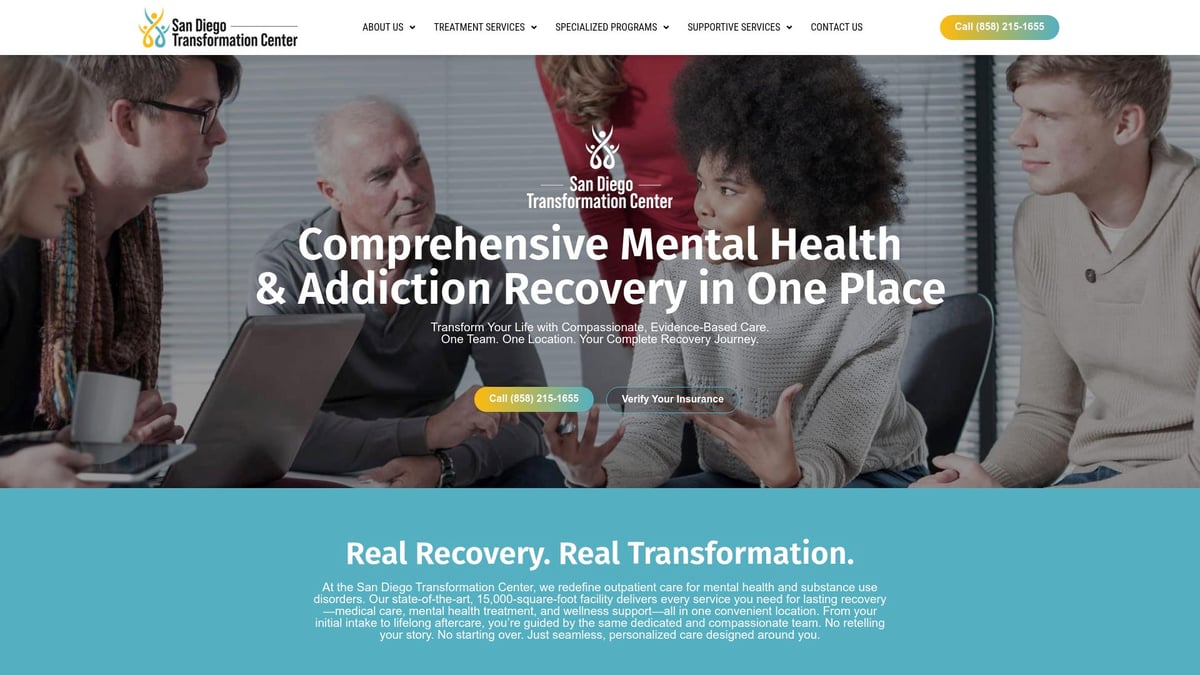
Their programs support diverse groups, including individuals with dual diagnoses, LGBTQIA+ clients, trauma survivors, and veterans. From intake to aftercare, clients benefit from continuity and community. Learn more about how real people have renewed their lives through San Diego Transformation Center overview and discover if this holistic approach to recovering wellness is right for you.
Step 3: Overcoming Setbacks and Staying Motivated
Setbacks are a natural part of recovering wellness. No matter how strong your plan is, life can bring unexpected challenges that test your motivation. Understanding how to face these moments head-on is essential for lasting renewal.

Identifying Common Setbacks in Recovery
Many people encounter obstacles on their journey to recovering wellness. These can include relapse triggers, burnout, or sudden life changes. Environmental stressors, like a demanding job or strained relationships, can also disrupt progress.
- Relapse triggers: stress, negative emotions, or social situations
- Burnout: feeling overwhelmed or exhausted by the process
- Environmental stressors: unexpected changes, moving, or loss
For example, someone returning to work after a period of recovery might face increased pressure and old patterns. Recognizing these common setbacks early can help you stay proactive in recovering wellness and prevent a spiral.
Building Resilience and Adaptability
Resilience is the backbone of recovering wellness. It means being able to bounce back when things do not go as planned. Embracing a growth mindset, where setbacks are seen as opportunities to learn, can make a big difference.
Positive psychology strategies, like gratitude journaling or reframing negative thoughts, foster adaptability. Stress management skills, such as deep breathing and emotional regulation, can help you stay grounded.
Participating in resilience training programs or workshops can give you the tools needed to strengthen your foundation for recovering wellness. Remember, adaptability comes from practice and persistence.
Coping Strategies for Challenging Times
When challenges arise, having a toolkit of coping strategies is vital for recovering wellness. Mindfulness and grounding exercises can help you stay present and reduce anxiety. Connecting with peer support or accountability partners provides encouragement and perspective.
- Mindfulness: deep breathing, meditation, or gentle movement
- Support: joining online support groups or talking to trusted friends
- Crisis resources: keeping hotline numbers handy for urgent help
In tough moments, reaching out is a sign of strength, not weakness. Using these coping strategies can help you move through difficult periods with greater confidence in your recovering wellness journey.
Celebrating Small Wins and Progress
A key part of recovering wellness is to recognize and celebrate your achievements, no matter how small they seem. Milestones, such as a week of healthy routines or a successful social interaction, deserve acknowledgment.
- Track progress: use a journal or app to note achievements
- Reward yourself: treat yourself to something enjoyable, like a walk or favorite meal
- Practice self-affirmation: remind yourself of your growth and resilience
Celebrating these moments fuels motivation and reinforces positive habits. Every step forward is proof that recovering wellness is possible, even if the path is not always straight.
Re-evaluating and Adjusting Your Recovery Plan
As you progress, it is important to regularly review your approach to recovering wellness. Sometimes, goals or strategies need to change. If you notice stalled progress or increased stress, consider seeking extra support or new techniques.
Staying flexible and practicing self-compassion will help you adapt when things shift. According to competitor data, adaptive recovery plans can improve long-term outcomes by 25 percent. For more practical guidance on adjusting your path, explore additional recovery and wellness articles to stay informed and inspired.
Step 4: Advanced Tools and Therapies for Lasting Renewal
The landscape of recovering wellness is rapidly evolving, offering more advanced tools and therapies than ever before. Embracing these innovations can help you build a foundation for lasting renewal, making your wellness journey more personalized, effective, and sustainable.
Innovations in Wellness Technology
Technology is at the heart of recovering wellness in 2026. AI-powered apps now deliver tailored health advice, and wearables track everything from sleep to stress in real time. Virtual reality (VR) therapy sessions are helping people manage anxiety and practice mindfulness in immersive environments.
A recent study on wearable data and health insights explores how advanced algorithms turn personal data into actionable wellness strategies. This means your smartwatch is no longer just a step counter, but a personal wellness coach. These digital tools make it easier than ever to monitor progress, adapt routines, and stay connected with support networks.
Integrative and Alternative Therapies
Integrative therapies are becoming mainstream for those focused on recovering wellness. Acupuncture and yoga target both the body and mind, helping reduce chronic pain and stress. Breathwork sessions can quickly ground you during overwhelming moments. Programs that include an on-site gym and structured fitness support can extend this mind-body work into daily movement and strength training.
Creative therapies, like art and music therapy, are also on the rise. These approaches offer new ways to process emotions and heal from trauma. Eye Movement Desensitization and Reprocessing (EMDR) is another evidence-based therapy making waves for trauma recovery. By blending traditional and alternative options, you can find a unique combination that works best for your personal wellness journey.
The Science of Sleep and Recovery
Quality sleep is a cornerstone of recovering wellness. Poor sleep can sabotage both mental and physical health, while establishing healthy sleep habits can accelerate recovery and boost resilience.
Smart devices now track sleep cycles, offering feedback to improve your nightly routine. Sleep hygiene tips, like maintaining a regular bedtime and limiting screen time, are simple yet powerful. According to the Sleep Foundation, 70% of adults have reported better wellness outcomes after adopting improved sleep practices. Prioritizing rest is not a luxury but a necessity for sustainable renewal.
Nutrition, Supplements, and Gut Health
Nutrition is a powerful tool for recovering wellness. Diets rich in anti-inflammatory foods support both physical and mental health. The gut-brain connection is now well established, and many are turning to probiotics and adaptogens to enhance mood and resilience.
Supplements are increasingly personalized, with many choosing specific nutrients to support their unique needs. For example, anti-inflammatory supplements may help regulate mood and energy levels. Data shows that half of those seeking wellness solutions use supplements to support mental health. Always consult a professional to determine what’s best for your recovery plan.
Future Trends in Wellness Recovery
Looking ahead, recovering wellness will be shaped by community-based programs, predictive analytics, and personalized medicine. Local wellness hubs and virtual health communities are making support more accessible and tailored.
According to Forbes on 2026 Wellness Trends, digital detox movements and custom supplementation will continue to grow. By 2026, 60% of wellness initiatives are expected to be community-integrated, connecting individuals to shared resources and expert guidance. Staying informed about these trends helps you make empowered choices for your own renewal.
Step 5: Creating a Sustainable Wellness Lifestyle
Building a sustainable lifestyle is the final, most rewarding phase of recovering wellness. This step turns daily actions into habits that nurture your body, mind, and spirit for the long haul. Think of it as building a foundation so strong that even life’s storms cannot shake your progress.
Building Daily Wellness Habits
Establishing consistent routines is essential for recovering wellness. Start with simple habits, like a mindful morning stretch or a short gratitude practice before bed. These small steps, when repeated, create powerful momentum.
Try habit stacking—linking a new wellness activity to an existing one, such as meditating right after brushing your teeth. Micro-habits, like taking five-minute movement breaks or drinking a glass of water upon waking, are easy to maintain and add up over time.
A sample daily routine for sustaining wellness could include:
- Morning sunlight exposure
- Five-minute mindfulness break at lunch
- Evening digital detox
As you repeat these habits, they become second nature, helping you stay grounded in your recovering wellness journey.
Fostering Long-Term Accountability
Accountability is the glue that holds your recovering wellness efforts together, especially when motivation fluctuates. Partnering with a friend, mentor, or coach can significantly improve your chances of sticking to healthy habits.
Digital tools play a key role. Habit trackers and reminder apps provide structure and encouragement. In fact, 65 percent of people maintain habits longer with accountability partners or groups.
For ongoing support and fresh ideas, explore resources like the Post sitemap for wellness topics, which offers a wide range of content to keep you engaged and inspired.
Remember, you do not have to walk this path alone. Building a network of support is a powerful step toward lasting change in recovering wellness.
Prioritizing Self-Compassion and Mindfulness
A sustainable approach to recovering wellness is rooted in self-compassion. Let go of the urge for perfection. Wellness is a journey, not a destination, and setbacks are part of the process.
Practice daily self-kindness with short guided meditations or positive affirmations. When you notice self-criticism, pause and treat yourself as you would a friend—gently and without judgment.
Simple mindfulness exercises, such as body scans or mindful breathing, can help you stay present and reduce stress. Over time, these practices build resilience and deepen your commitment to recovering wellness.
Giving Back and Inspiring Others
Sharing your journey is a meaningful way to reinforce your commitment and inspire others. Giving back creates a ripple effect, spreading positivity throughout your community and supporting your own recovering wellness.
Consider volunteering with local wellness initiatives or leading a small workshop. Even posting about your progress online can encourage someone else to start their own path.
By supporting others, you strengthen your sense of purpose and belonging. This cycle of giving and receiving is a powerful tool for sustaining wellness and renewal.
You’ve just explored a step by step path to reclaiming your health and balance in 2026—from understanding the foundations of wellness to building daily habits that really last. If you’re ready to put these strategies into action and want expert support every step of the way, we can help you design a personalized plan that fits your life. At San Diego Transformation Center, you’ll find a dedicated team, a welcoming space, and comprehensive care all in one place. Let’s make your journey to renewal real—Start Your Transformation.