

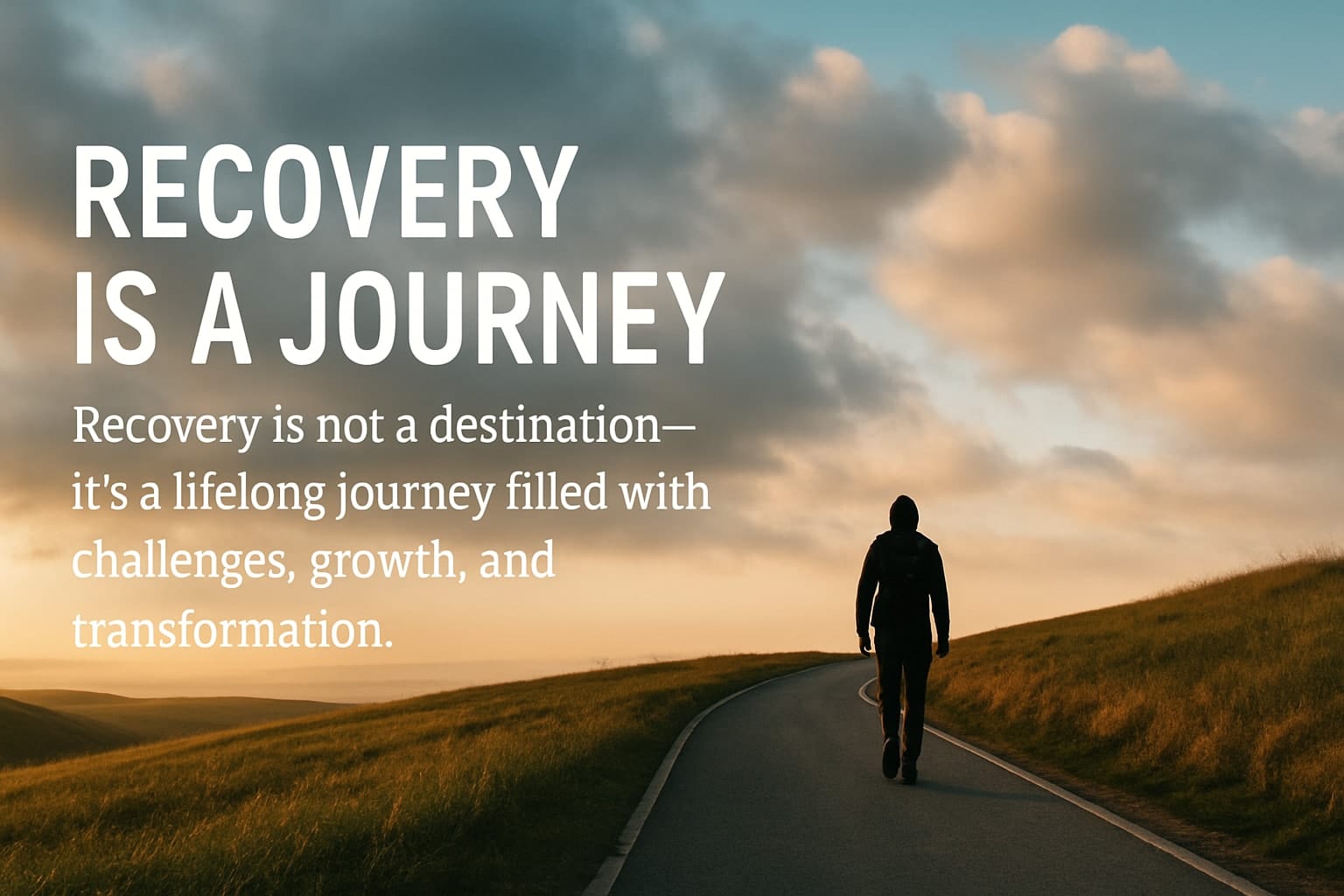
Recovery is a journey, not a finish line. Imagine standing at a crossroads, uncertain but hopeful, ready for change. In 2026, the path to healing looks different—new tools, fresh perspectives, and more support than ever before.
This guide is your companion, designed to help you navigate recovery step by step. You’ll find expert advice, practical tools, and inspiring stories to fuel your progress.
Curious about the latest trends? Seeking actionable strategies? Here, you’ll discover how to overcome setbacks, build a lasting support system, and embrace innovative therapies for lasting change.
You are not alone—your journey starts here.
Understanding the Modern Recovery Journey in 2026
In 2026, people are beginning to see that recovery is a journey, not a single event or milestone. This new perspective highlights the ongoing process of healing, growth, and transformation that touches every part of a person’s life.

The Evolving Definition of Recovery
Today, recovery is a journey that means much more than just stopping substance use. It now embraces holistic well-being, personal fulfillment, and mental health. In 2026, mental health care, trauma support, and addiction services are more integrated than ever. The language has shifted too: people identify as “in recovery” instead of being labeled “addict” or “patient.” Recent national surveys reveal a 30% increase in people proudly identifying as “in recovery” from both mental health and substance use challenges since 2022. This shift demonstrates that recovery is a journey shared by millions, each with a unique story and pathway.
| Year | % Identifying as “in recovery” |
|---|---|
| 2022 | 22% |
| 2026 | 29% |
This transformation in language and self-identification reflects the broader understanding that recovery is a journey of ongoing growth and healing.
Key Principles Guiding Recovery Today
At the heart of every recovery is a journey fueled by hope, self-empowerment, and connection. In 2026, individualized pathways are encouraged, with holistic and evidence-based approaches now the standard. Peer support and lived experience are respected as much as clinical expertise. Resilience, optimism, and agency form the foundation of sustained recovery. For those seeking guidance, SAMHSA’s Recovery and Support resources offer up-to-date information on these guiding principles, helping individuals understand that recovery is a journey best walked with support and shared wisdom.
These principles remind us that recovery is a journey built on small victories, mutual support, and belief in future possibilities.
Types of Recovery Pathways
There is no single route—recovery is a journey that can follow many paths. In 2026, people choose from clinical options like therapy and medication-assisted treatment, peer-led groups such as 12-step and SMART Recovery, and holistic programs focused on wellness and mindfulness. Most people blend these approaches to create personalized plans. Digital tools now help customize and track progress, making it easier to recognize that recovery is a journey shaped by individual needs and experiences.
- Clinical: Therapy, medication-assisted treatment
- Peer-led: 12-step, SMART Recovery, Recovery Dharma
- Holistic: Mindfulness, wellness programs, creative arts
Personalization and flexibility ensure that recovery is a journey adaptable to every stage of life.
The Role of Technology in Recovery
Technology has transformed how recovery is a journey for many people. Telehealth, virtual support groups, and mobile apps provide round-the-clock support and connection. In 2026, 60% of those in recovery use at least one digital tool to stay engaged and informed. These innovations help people access resources no matter where they are, making recovery is a journey that can be supported anytime, anywhere.
Common digital tools include:
- Telehealth therapy sessions
- Mobile apps for tracking progress
- Virtual peer support meetings
These tools reinforce the idea that recovery is a journey strengthened by technology and community.
Social and Cultural Shifts
Social attitudes have evolved, making it easier to acknowledge that recovery is a journey everyone can understand. Advocacy, media representation, and improved workplace policies have reduced stigma. More employers now offer mental health days and support for staff in recovery. These cultural shifts create safer spaces for open conversations, reinforcing that recovery is a journey marked by acceptance, compassion, and opportunity for all.
As society continues to change, more people feel empowered to share their stories and seek the help they deserve, proving every day that recovery is a journey worth taking.
Step-By-Step Guide: Your Recovery Journey from Start to Sustainable Healing
Embarking on recovery is a journey filled with both uncertainty and hope. This guide breaks down each stage, offering practical steps for anyone seeking lasting healing in 2026. No matter where you start, remember that your path is unique, and each step forward matters.

Step 1: Recognizing the Need for Change
The first step in any recovery is a journey of self-awareness. It often begins with noticing subtle shifts in mood, relationships, or work performance. Maybe you sense growing stress or disconnect, or perhaps loved ones express concern.
Use self-assessment tools to check in with yourself. Reflect on questions like: Am I satisfied with my daily life? Are substances, anxiety, or trauma affecting my well-being? Recognizing these signs is crucial.
Many people experience a defining “turning point” before seeking help. In fact, 75% of individuals in recovery describe a pivotal moment that sparked change. If you’re at this crossroads, know that acknowledging the need for help is a powerful act of courage. It marks the real beginning that proves recovery is a journey, not just a single choice.
Step 2: Seeking Support and Building a Foundation
No one should walk the path alone because recovery is a journey best traveled with support. Finding the right help is vital. Explore options such as therapists, counselors, or medical providers who specialize in addiction or mental health.
Peer support is equally valuable. Groups like 12-step programs, SMART Recovery, Recovery Dharma, and online communities connect you with people who understand your struggles. Research shows that peer support can increase treatment retention by 35%, boosting your odds of sustainable progress.
Family and friends play an important role too. Ask trusted loved ones to be part of your support system. Building a foundation of encouragement and accountability will help you weather challenges ahead.
Step 3: Creating a Personalized Recovery Plan
As you move forward, remember that recovery is a journey requiring a tailored map. Assess your unique needs, including any co-occurring disorders, trauma history, or physical health concerns.
Set clear, realistic goals for both the short and long term. Collaborate with professionals to develop an integrated approach that blends medical, therapeutic, and holistic supports. Personalization is key in 2026—digital tools and expert guidance can help you track progress and adjust your plan over time.
By focusing on your individual strengths and challenges, you lay the foundation for meaningful healing. Each plan is as unique as the person following it, reinforcing that recovery is a journey, never a one-size-fits-all process.
Step 4: Engaging in Treatment and Early Recovery
Taking action is where recovery is a journey transforms into daily reality. Treatment options vary, including inpatient, outpatient, intensive outpatient, and virtual care. Evidence-based therapies like CBT, DBT, EMDR, and medication-assisted treatment are widely available.
Holistic supports such as nutrition, exercise, and mindfulness complement medical care, leading to better outcomes. For instance, combining these approaches can reduce early relapse rates by 20%. Consider exploring a Comprehensive guide to San Diego Transformation Center if you seek integrated, personalized recovery solutions.
During this phase, focus on building routines and healthy habits. Celebrate small wins, and remember that recovery is a journey made up of many steps, not just milestones.
Step 5: Navigating Triggers and Preventing Relapse
Every recovery is a journey with obstacles. Identifying your triggers—whether stress, social situations, or certain places—helps you stay prepared. Make a list of high-risk scenarios and develop coping strategies for each.
Effective tools include grounding exercises, urge surfing, and reaching out to your support network. Relapse prevention plans can lower relapse rates by 40%, making them an essential part of your toolkit.
Remember, setbacks are not failures. They are opportunities to learn, adjust, and strengthen your resolve. Each challenge faced is proof that recovery is a journey, not a straight line.
Step 6: Building a Meaningful Life in Recovery
Once stability returns, it’s time to rediscover joy and purpose. Recovery is a journey toward a more fulfilling life. Reconnect with passions, hobbies, and relationships that bring you happiness.
Consider volunteering, pursuing education, or advancing your career. Peer and community involvement offer powerful protective factors against relapse.
Building a meaningful life also means making time for self-care and reflection. As you find new reasons to thrive, you reinforce the truth that recovery is a journey of ongoing transformation.
Step 7: Long-Term Maintenance and Growth
Sustaining recovery is a journey that continues far beyond early milestones. Ongoing therapy, support groups, and wellness routines keep you anchored and resilient.
Celebrate your achievements, no matter how small. Track your progress with journals or digital apps. Five-year recovery rates double for those who remain engaged with peer and community support, highlighting the importance of connection.
As you grow, remember that every day offers a fresh start. The path may twist and turn, but with each step, you prove to yourself that recovery is a journey—one worth walking, one day at a time.
Overcoming Setbacks and Building Resilience
Setbacks can feel discouraging, but remember, recovery is a journey, not a straight line. Every path to healing encounters twists, turns, and even the occasional step backward. What truly defines progress is how you respond, adapt, and move forward each time life challenges your resolve.

Understanding Setbacks as Part of the Journey
Experiencing a setback is a normal part of recovery. In fact, research shows that about 60% of people in their first year of recovery face at least one setback. If you find yourself in this situation, know that you are not alone. Recovery is a journey, and every journey has its bumps along the way.
Rather than viewing setbacks as failures, consider them opportunities to learn and grow. Many people report that the lessons gained from a setback are what ultimately strengthen their commitment to change. Reflecting on what led to the setback, and how you responded, can offer valuable insights for future success.
It can help to remember that progress is not about perfection. Each step, even the difficult ones, is part of building long-term resilience. By accepting that recovery is a journey, you give yourself permission to keep moving forward, one day at a time.
Tools for Resilience and Recovery Capital
Building resilience is essential for lasting change. Recovery is a journey that requires you to develop new coping skills and strengthen your inner resources. Tools like mindfulness, self-compassion, and stress management can make a big difference in how you handle setbacks and daily challenges.
“Recovery capital” refers to the social, physical, emotional, and spiritual resources you gather along the way. People with higher recovery capital often experience more stable, sustained progress. You might find it helpful to explore Recovery and wellness blog articles for practical strategies and real-life stories that support your journey.
Try incorporating activities that boost your well-being, such as meditation, journaling, or connecting with supportive peers. The more you invest in your recovery capital, the more prepared you’ll be to face whatever comes next. Remember, recovery is a journey, and every skill you build adds another layer of strength.
Re-engaging After a Setback
When a setback happens, the most important step is to reach out for help. Talk to a trusted friend, peer mentor, or professional. Revisiting your recovery plan and adjusting your goals can provide a fresh perspective and renewed motivation.
Many people find that sharing their experiences with others who have faced similar challenges can make the process less isolating. Peer stories often remind us that recovery is a journey shared by many, not a solitary struggle. Professional and peer support act as bridges, guiding you back to progress and hope.
Finally, be gentle with yourself. Every setback is a chance to learn and grow stronger. With each return to your path, you reinforce the truth that recovery is a journey worth continuing.
Building Your Support System: Community, Family, and Professional Help
No one should have to walk the path of healing alone. At every stage, building a robust support system is crucial because recovery is a journey that thrives on connection, encouragement, and shared strength. Whether you are just starting out or working to maintain long-term well-being, the right mix of community, family, and professional help can make all the difference.
The Power of Connection in Recovery
Human connection is at the heart of every successful recovery is a journey story. Research shows that social support is one of the strongest predictors of lasting recovery. Family therapy and couples counseling help rebuild trust and repair relationships that may have been strained. Peer mentors and sponsors offer accountability, wisdom, and lived experience, helping you feel understood and less alone.
Support groups, whether in person or virtual, foster a sense of belonging. Group accountability encourages you to celebrate wins and face setbacks together. In fact, studies reveal that supportive relationships can increase recovery success rates by 50%. When you surround yourself with people who truly care, you reinforce that recovery is a journey worth taking, together.
Navigating Support in 2026
In 2026, support systems are more flexible and inclusive than ever. Hybrid models combine in-person and virtual meetings, making it easier to access help no matter your schedule or location. Specialized groups for LGBTQIA+, veterans, women, and trauma survivors address unique needs and experiences.
Workplace and school-based programs provide support where you spend most of your day, reducing barriers to care. Community resources, such as recovery community centers, have become central hubs for connection and empowerment. According to a Systematic review of Recovery Community Centers, these centers significantly enhance outcomes, showing that community-driven support is a powerful asset when recovery is a journey.
Comprehensive Outpatient Care at San Diego Transformation Center
For those seeking comprehensive and flexible care, San Diego Transformation Center offers integrated outpatient services for mental health and substance use disorders. Here, you can access evidence-based therapy, medical support, and wellness programs under one roof. The center features:
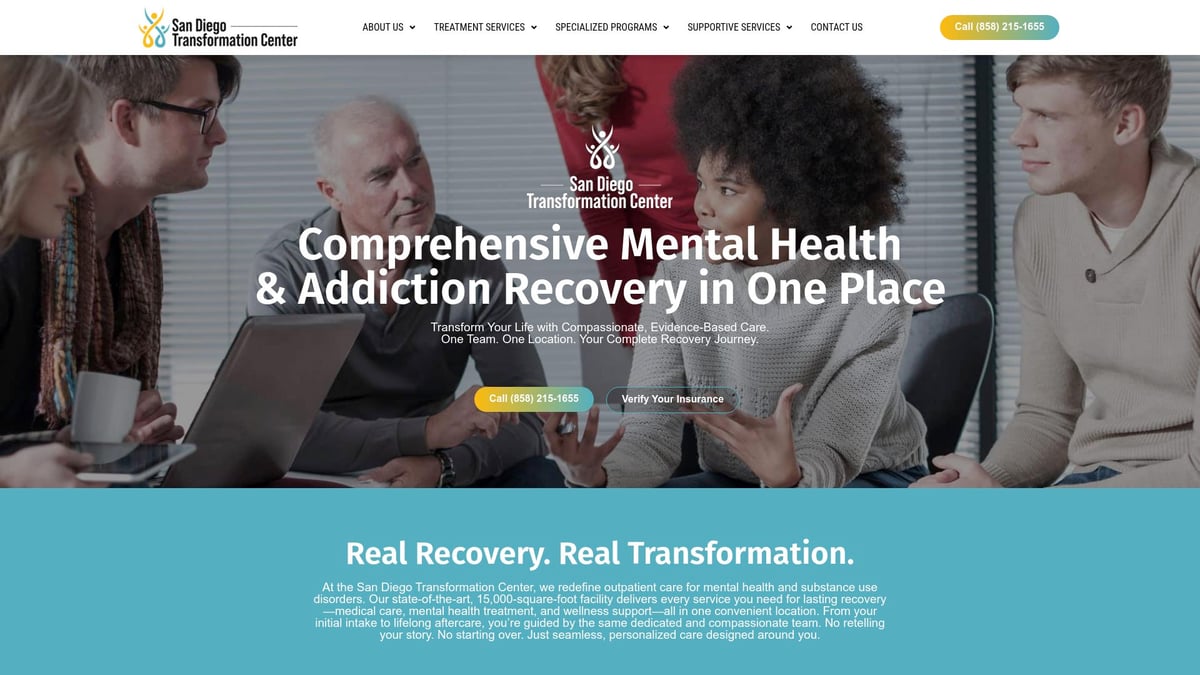
- Personalized treatment plans for every stage of your journey
- Specialized programs for co-occurring disorders, trauma, LGBTQIA+, veterans, and women
- On-site gym, vocational training, and peer support groups
- Ongoing support from intake through aftercare
With most insurance accepted and 24/7 confidential support, this resource empowers individuals and families to embrace recovery is a journey, supported every step of the way.
Harnessing New Tools and Therapies for Recovery in 2026
The landscape of recovery is a journey that looks very different in 2026 compared to just a few years ago. Breakthroughs in technology and therapy are transforming how people heal, connect, and grow. Whether you are just starting or have been on this path for years, understanding these new tools can make your recovery more personalized and effective.
Innovations in Treatment and Support
In 2026, recovery is a journey fueled by innovation. Medication-assisted treatments are more precise, helping people manage cravings and symptoms effectively. Harm reduction strategies are now widely accepted, with recent research showing that reduced drug use is a meaningful treatment outcome for many.
Technology plays a huge role. AI-powered mental health apps offer daily check-ins and coping tools right at your fingertips. Virtual reality therapy is gaining traction, with clinical trials revealing a 30 percent reduction in anxiety among recovery participants. Remote monitoring keeps both clients and professionals connected, making sure no one feels alone in their journey.
Holistic and Integrative Approaches
A core truth for 2026 is that recovery is a journey best supported by caring for mind, body, and spirit. Mind-body therapies have moved from the margins to the mainstream. Many programs now include yoga, meditation, acupuncture, and personalized nutrition counseling.
Wellness routines are more creative than ever—think art therapy, outdoor mindfulness hikes, and group cooking classes. Studies show holistic programs boost self-reported well-being by 40 percent. Curious about evidence-based mindfulness approaches? Explore Mindfulness-Oriented Recovery Enhancement overview for a blend of mindfulness and positive psychology.
Expanding Access and Reducing Barriers
Accessibility is central because recovery is a journey that everyone deserves a chance to take. Telehealth has exploded, bringing therapy, support, and medication management to people in rural and underserved areas. Insurance coverage has improved, so more individuals can afford quality care.
Community-based programs now offer culturally competent and trauma-informed services. Data from 2026 shows telehealth increased treatment access by 45 percent, making help possible for people who might have gone without it before.
The Future of Peer and Community Support
Looking ahead, recovery is a journey built on connection. Digital recovery communities are thriving, with peer coaching and support available 24/7 through apps and online forums. Hybrid events—where some join in person and others virtually—make it easier for everyone to participate.
In fact, online recovery forums saw 25 percent higher engagement in 2026 than in 2022. These new tools are helping people find community, accountability, and hope as they move forward.
Embracing Hope and Sustaining Motivation on Your Pathway to Healing
Hope is the anchor that keeps you steady when recovery is a journey. Decades of research show that hope is not just wishful thinking—it is a measurable, powerful force that shapes real outcomes. If you believe that a better future is possible, you are far more likely to achieve lasting healing.
The Science of Hope in Recovery
Scientists have found that hope is a key driver for success when recovery is a journey. People with higher hope scores experience fewer relapses and enjoy greater life satisfaction. This is because hope fuels your sense of agency—the belief that your actions make a difference—and helps you find pathways through setbacks.
A recent study revealed that individuals in recovery with high hope were 40% less likely to experience relapse in their first year. This research makes it clear: nurturing hope is not optional, it is essential. Whether you are just starting or have been on this path for years, anchoring your mindset in hope will make your journey more resilient.
Strategies to Cultivate and Sustain Hope
How can you build hope when recovery is a journey? Start by setting small, meaningful goals. Each step forward, no matter how modest, proves to your mind that progress is possible. Visualize the future you want—picture yourself thriving, connected, and fulfilled.
Practicing gratitude can also rewire your brain for optimism. Keep a journal and write down three things you appreciate each day. When negative thoughts arise, try reframing them with self-compassion.
If you need a boost, connect with others who understand. Many local support options in San Diego offer community and encouragement, making hope feel more accessible. Remember, you are not alone in this process.
Stories of Transformation
When you hear real-life stories, it is easier to believe that recovery is a journey you can complete too. People from every background have rebuilt their lives by leaning into hope and perseverance. One woman, after years of struggle, found strength by celebrating small wins and leaning on her support network.
Motivation can fade, so build a toolkit for tough days. Try journaling your progress, using daily affirmations, and reaching out to peers for encouragement. Structured motivation plans have been shown to increase adherence to recovery routines by 25%. If others can find their way, so can you—your journey is worth every step.
If you’re ready to take the next step on your recovery journey, remember—you don’t have to do it alone. At San Diego Transformation Center, you’ll find compassionate professionals, a welcoming community, and a personalized plan that truly fits your life. With leading-edge therapies, whole-person care, and support every step of the way, you can build lasting change and rediscover hope. Whether you’re just starting out or looking for new tools in 2026, the path to healing is within reach. Let’s walk it together—Start Your Transformation.
Article written using RankPill.