

Did you know Vyvanse withdrawal affects thousands each year? If you or a loved one are concerned about vyvanse withdrawal symptoms, you are not alone. With new insights emerging for 2026, understanding what to expect is more important than ever for safe recovery.
This guide breaks down the latest research on causes, symptom timelines, and proven management strategies. You will discover how to identify symptoms early, explore safe tapering options, and find professional support.
Ready to take control? Keep reading for expert-backed advice and actionable steps to navigate withdrawal safely in 2026.
What Is Vyvanse? Understanding the Medication and Its Uses
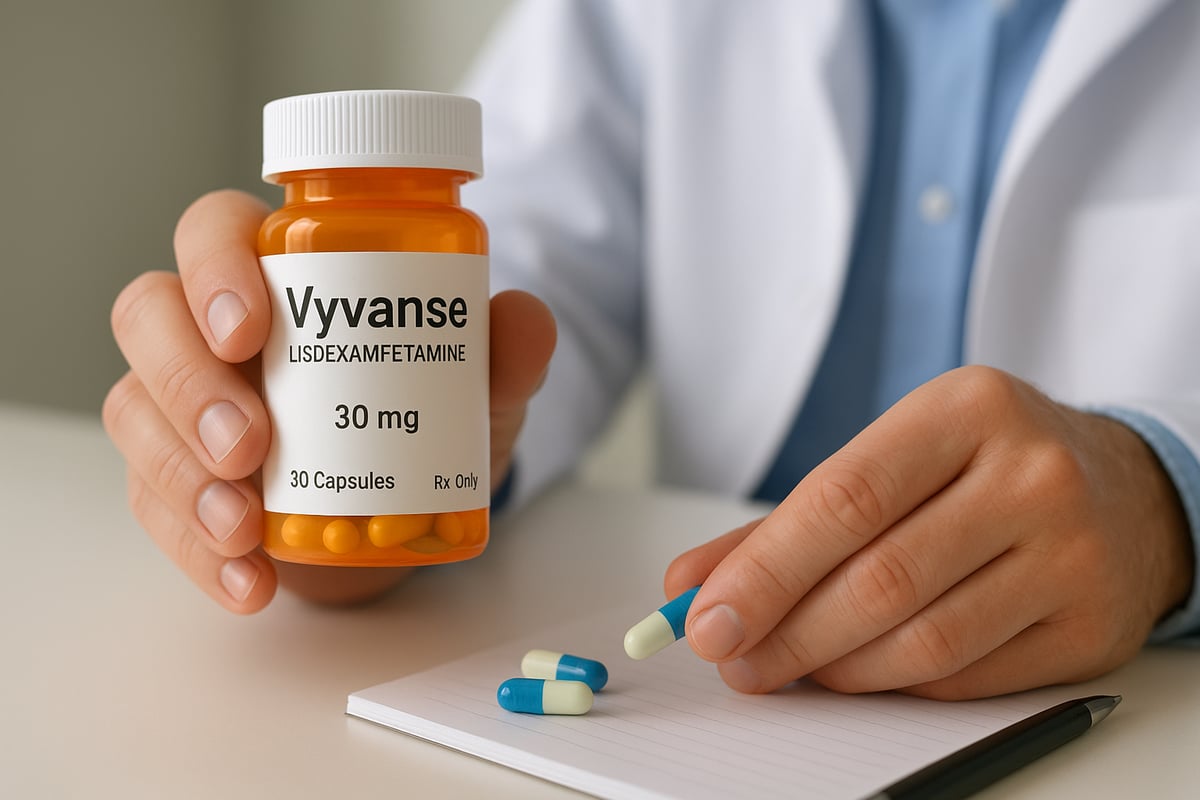
Vyvanse, known generically as lisdexamfetamine, is a prescription medication widely used to treat attention-deficit/hyperactivity disorder (ADHD) and moderate to severe binge eating disorder. As a central nervous system stimulant, Vyvanse works by increasing levels of dopamine and norepinephrine in the brain, which helps improve focus, attention, and impulse control.
This medication is available in two forms: a capsule and a chewable tablet. Both are designed for once-daily use, making it convenient for patients to maintain a consistent routine. Vyvanse’s dosing is tailored by healthcare providers based on age, symptoms, and individual response to treatment.
Vyvanse is classified as a Schedule II controlled substance by the FDA, indicating a recognized potential for misuse and dependence. This is why it is prescribed with caution, especially for individuals with a history of substance use disorders. According to recent data, Vyvanse prescriptions have steadily increased each year since 2020, reflecting growing awareness and diagnosis of ADHD and related conditions.
Common side effects include:
- Dry mouth
- Loss of appetite
- Sleep disturbances or insomnia
- Increased heart rate
- Anxiety or jitteriness
Because of these effects and the potential for vyvanse withdrawal symptoms, starting Vyvanse always requires careful medical supervision. A thorough risk assessment helps ensure the right patients receive the medication safely. For detailed prescribing information and official guidelines, see the FDA prescribing information for Vyvanse.
Overview of Vyvanse and Its Approved Uses
Vyvanse is FDA-approved for two main conditions: ADHD in children, adolescents, and adults, and moderate to severe binge eating disorder in adults. By enhancing dopamine and norepinephrine activity, Vyvanse helps regulate attention and behavior, making daily tasks more manageable for those with ADHD.
The medication’s once-daily dosing supports treatment adherence and reduces the risk of missed doses. Vyvanse withdrawal symptoms are uncommon when taken as prescribed, but misuse or abrupt discontinuation can increase the likelihood of experiencing them.
Vyvanse’s benefits come with responsibilities. Patients and caregivers should understand the importance of regular follow-ups with healthcare providers. This practice ensures the medication remains effective and helps identify early signs of side effects or vyvanse withdrawal symptoms. The rising number of Vyvanse prescriptions highlights its value, but also underscores the need for ongoing patient education and monitoring.
Risks and Interactions Associated with Vyvanse
Vyvanse is not suitable for everyone. Certain medical conditions—such as heart disease, uncontrolled hypertension, or a history of substance use disorder—make Vyvanse a risky choice. Mental health conditions like severe anxiety or bipolar disorder can also interact negatively with stimulant medications.
Drug interactions are another critical concern. Combining Vyvanse with antidepressants, antipsychotics, or even alcohol can increase side effect risks or reduce the medication’s effectiveness. It is crucial to tell your healthcare provider about all medications and supplements you use.
Consider this example: A patient with undiagnosed high blood pressure starts Vyvanse and soon experiences rapid heart rate and severe headaches. This scenario shows why a detailed medical history is vital before starting Vyvanse. Open communication with your doctor can help prevent serious complications, including vyvanse withdrawal symptoms if the medication needs to be stopped.
Always follow professional advice and never adjust your dose or stop Vyvanse on your own. Safety and health depend on proper management and honest conversations with your care team.
What Causes Vyvanse Withdrawal? Mechanisms and Risk Factors
Understanding what leads to vyvanse withdrawal symptoms is crucial for anyone using or discontinuing this medication. Dependence does not happen overnight, and several factors influence how withdrawal unfolds. Whether you are taking Vyvanse as prescribed or misusing it, knowing the science behind withdrawal helps you prepare for a safer recovery.

How Dependence Develops on Vyvanse
Vyvanse works by raising dopamine and norepinephrine in your brain. Over time, your body and mind adjust to these higher levels. This adaptation is known as physical and psychological dependence.
When you use Vyvanse daily, your brain starts to rely on the medication to function normally. As a result, stopping suddenly can trigger vyvanse withdrawal symptoms. Tolerance can also develop, meaning you may need higher doses to feel the same effects. Misuse—such as taking more than prescribed, using without a prescription, or snorting—can speed up dependence.
Even people taking Vyvanse exactly as prescribed can experience a mild “crash” if they miss a dose. For example, someone who has used Vyvanse for years and stops abruptly might feel overwhelming fatigue, mood swings, and cravings. This scenario is common and highlights why gradual changes are safer.
According to Vyvanse withdrawal symptoms and management, risk increases with higher doses and longer use. Recognizing these patterns early can help you avoid severe issues.
Triggers and Risk Factors for Withdrawal
Several triggers and risk factors increase the chance of experiencing vyvanse withdrawal symptoms. The most significant trigger is stopping Vyvanse suddenly or reducing your dose too quickly. This is especially risky if you have been on a high daily dose or used the drug for a long time.
Other critical risk factors include:
- Duration of Vyvanse use
- Amount taken daily
- Genetic predisposition to substance dependence
- Co-occurring mental health conditions (like depression or anxiety)
- Age, metabolism, and overall health status
Research shows that people who abruptly stop high doses of Vyvanse often face more severe withdrawal. If you have a history of mental health issues or substance use, your risk is higher. For example, a patient with ADHD and depression might experience stronger mood swings and fatigue.
Individual health also plays a role. Older adults or those with slower metabolisms may notice longer-lasting vyvanse withdrawal symptoms. Always share your medical history with your provider to assess your risk and create a safer plan.
Differentiating Vyvanse Withdrawal from a Crash
It is important to understand the difference between a “Vyvanse crash” and true vyvanse withdrawal symptoms. A crash usually happens as the daily dose wears off, typically within hours. Symptoms are milder and short-lived—think fatigue, irritability, or trouble focusing.
Withdrawal, on the other hand, starts 24 to 36 hours after your last dose and can last days or even weeks. Symptoms are more intense and may include depression, severe cravings, and physical discomfort.
Here is a simple comparison:
| Feature | Vyvanse Crash | Vyvanse Withdrawal |
|---|---|---|
| Onset | Hours after dose | 24–36 hours post-stop |
| Duration | Few hours | Days to weeks |
| Severity | Mild | Moderate to severe |
| Symptoms | Fatigue, mood dip | Fatigue, depression, cravings, anxiety |
Recognizing which experience you are having can help you seek the right support. If symptoms last longer than a day or are severe, you may be dealing with true vyvanse withdrawal symptoms and should consult a professional.
Vyvanse Withdrawal Symptoms: Physical and Psychological Effects
If you or someone you care about is preparing to stop Vyvanse, knowing what to expect from vyvanse withdrawal symptoms is essential. Both physical and psychological symptoms can emerge, and the experience varies from person to person. Understanding these effects can help you prepare for a safer, more comfortable recovery.

Physical Symptoms of Vyvanse Withdrawal
Vyvanse withdrawal symptoms often begin with a wave of fatigue that can feel overwhelming. Many people report feeling “wiped out” or lacking any energy to get through the day. This exhaustion is typically the first and most noticeable sign.
Other common physical symptoms include:
- Headaches that range from mild to intense
- Muscle aches and general body pain
- Stomach upset, including nausea and sometimes diarrhea
- Insomnia, or trouble sleeping even when tired
- Sweating and noticeable tremors or shaking
- Sudden increase in appetite, which may lead to weight gain
Vyvanse withdrawal symptoms can also affect your body’s natural rhythms, making it hard to fall asleep or stay asleep. Some people notice that their appetite, which was suppressed while taking Vyvanse, rebounds quickly, causing sudden hunger and changes in weight.
According to recent data, most physical vyvanse withdrawal symptoms reach their peak about three to five days after stopping the medication.
Psychological Symptoms of Vyvanse Withdrawal
In addition to physical effects, vyvanse withdrawal symptoms can take a heavy toll on your mental and emotional well-being. Many people experience a deep sense of sadness or depression, sometimes accompanied by feelings of hopelessness.
Other psychological symptoms may include:
- Anxiety, often presenting as restlessness or nervousness
- Irritability and quick mood changes
- Intense cravings for Vyvanse, making it tempting to start again
- Trouble concentrating or thinking clearly
- Lack of motivation or interest in daily activities
For some, vyvanse withdrawal symptoms can escalate to more severe psychological issues. Rarely, people may experience hallucinations, suicidal thoughts, or even brief episodes of psychosis. These cases are uncommon but have been documented in the medical literature.
Here’s an example: After stopping Vyvanse abruptly, one patient described both crushing fatigue and a constant sense of dread, along with vivid dreams and difficulty focusing at work. Their experience highlights how both physical and psychological symptoms can overlap and complicate recovery.
Severity and Duration of Symptoms
The severity and duration of vyvanse withdrawal symptoms can differ greatly from person to person. Factors like how long you used Vyvanse, the typical dose, your age, and your overall health all play a role.
Some symptoms, such as headaches and fatigue, may fade within a few days. Other effects, especially mood changes and depression, can last for several weeks. It’s important to remember that emotional symptoms may linger even after your body has adjusted.
The table below summarizes the typical timeline and intensity of vyvanse withdrawal symptoms:
| Symptom | Onset | Peak | Duration | Severity |
|---|---|---|---|---|
| Fatigue | 1-2 days | 3-5 days | 1-2 weeks | Moderate-High |
| Headaches | 1-2 days | 3-5 days | 1 week | Mild-Moderate |
| Insomnia | 1-2 days | 3-5 days | Up to 2 weeks | Moderate |
| Appetite changes | 2-3 days | 5-7 days | 2+ weeks | Moderate |
| Depression/Anxiety | 2-3 days | 1 week | Several weeks | Moderate-High |
Monitoring your vyvanse withdrawal symptoms is key. If you experience severe depression, suicidal thoughts, or hallucinations, seek help immediately. For a more detailed overview of signs and treatment options, consult this resource on Vyvanse withdrawal signs and treatment.
Remember, while most people recover safely, having the right information and support can make all the difference on your journey.
Vyvanse Withdrawal Timeline: What to Expect Step-by-Step
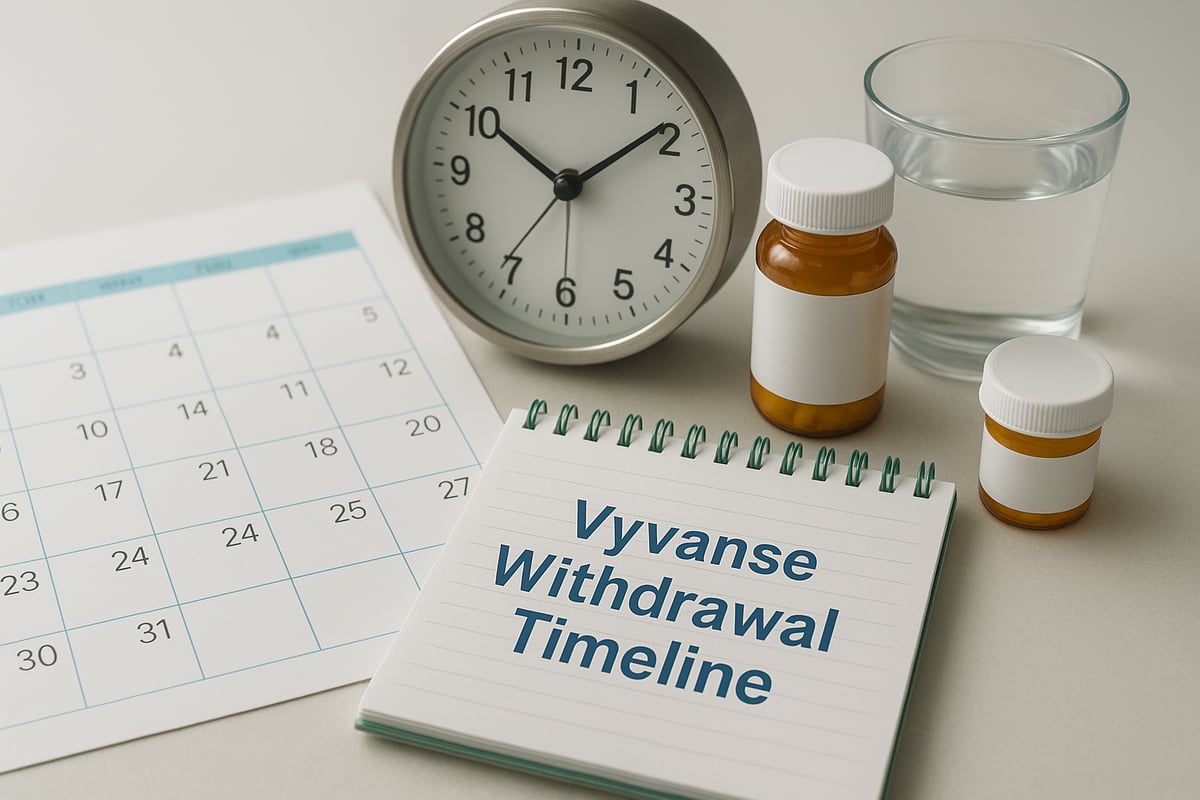
Understanding the vyvanse withdrawal symptoms timeline is essential for anyone preparing to discontinue Vyvanse. Withdrawal does not follow a one-size-fits-all pattern, but research shows most people experience predictable stages. Knowing what to expect can help you or your loved one plan for a safer, more comfortable recovery.
Chronological Breakdown of Withdrawal Stages
Vyvanse withdrawal symptoms typically follow a set timeline, though individual experiences can differ. Here’s what most people can expect:
| Stage | Timeframe | Common Symptoms |
|---|---|---|
| Initial Onset | 1–2 days after last dose | Fatigue, mood changes, headaches |
| Symptom Peak | 3–5 days | Depression, cravings, anxiety, body aches |
| Gradual Improvement | 1–2 weeks | Energy returns, mood improves, some symptoms linger |
| Resolution | 2+ weeks | Most physical symptoms fade, emotional symptoms may persist for some |
In the first 1–2 days after stopping Vyvanse, most people notice fatigue, low mood, and headaches. These early vyvanse withdrawal symptoms are usually mild but can feel unsettling.
Between days 3 and 5, symptoms often peak. This is when depression, intense cravings, anxiety, and physical discomfort become most pronounced. Many describe this as the most challenging phase of vyvanse withdrawal symptoms.
After the first week, there’s usually a gradual improvement. Energy levels start to rise, and mood stabilizes. However, some vyvanse withdrawal symptoms, like sleep disturbances or emotional ups and downs, may continue for another week or more.
By the two-week mark, most physical symptoms subside. Emotional symptoms, however, can linger, especially for those who used Vyvanse for a long time or at higher doses. Individual experiences vary, so it’s important to stay patient and monitor changes closely.
Factors Influencing Withdrawal Duration
The timeline for vyvanse withdrawal symptoms varies based on several factors. Here’s what can affect how long and how intensely you experience withdrawal:
- Length of Vyvanse use: The longer you’ve taken Vyvanse, the more your body adapts, leading to a longer withdrawal process.
- Dosage: Higher daily doses can result in more severe and prolonged vyvanse withdrawal symptoms.
- Underlying mental health: Conditions like ADHD, depression, or anxiety may intensify symptoms or lengthen recovery.
- Concurrent substance use: Using other medications or substances can alter how withdrawal unfolds.
- Age and metabolism: Younger individuals or those with faster metabolisms may process withdrawal differently.
- Overall health: Good nutrition, hydration, and sleep can support a smoother transition.
For example, someone who took high doses of Vyvanse for years may face a longer, tougher withdrawal than someone who used a low dose for a few months. Genetics and co-occurring health issues also play a role.
Experts recommend a gradual tapering process to help minimize vyvanse withdrawal symptoms. Following a recommended protocol for discontinuing Vyvanse under medical supervision can reduce severity and improve comfort. Abruptly stopping the medication can make symptoms worse and increase risks, so professional guidance is essential.
Remember, everyone’s journey through vyvanse withdrawal symptoms is unique. Tracking your symptoms and staying connected with your healthcare team will help ensure a safer, more manageable recovery.
Safe Steps for Managing Vyvanse Withdrawal in 2026
Experiencing vyvanse withdrawal symptoms can feel overwhelming, especially if you are unsure how to manage the process safely. With the latest 2026 insights, you can take control of recovery by following proven strategies for a smoother, safer transition. Whether you are considering stopping Vyvanse or supporting someone through withdrawal, understanding the right steps will make a significant difference.
The Importance of Medical Supervision and Gradual Tapering
The safest way to manage vyvanse withdrawal symptoms is through medical supervision. Suddenly stopping Vyvanse, especially at higher doses, can trigger severe withdrawal and increase the risk of relapse. Instead, tapering off the medication slowly allows your body and mind to adjust gradually.
A healthcare provider will design an individualized tapering schedule based on your dose, history, and personal needs. This plan may involve reducing your dose in small increments over several weeks. Research in 2026 highlights that gradual tapering significantly lowers the severity of vyvanse withdrawal symptoms compared to abrupt cessation.
Key benefits of medical supervision include:
- Ongoing monitoring for physical and psychological changes
- Adjusted tapering speed if symptoms become intense
- Access to supportive care and symptom management
- Reduced risk of complications or relapse
Consider involving your doctor early, even before making any changes to your Vyvanse routine. Open communication and regular check-ins can catch potential issues before they escalate.
Professional Support and Treatment Options
Managing vyvanse withdrawal symptoms often requires more than just a tapering plan. Professional support can range from outpatient to inpatient programs, depending on the severity of your symptoms and personal circumstances.
Outpatient detox is suitable for many people, especially those with stable home environments and mild to moderate symptoms. For more complex cases, such as co-occurring mental health disorders or a history of substance misuse, inpatient care may be recommended.
Mental health professionals, addiction specialists, and primary care providers all play vital roles in supporting your recovery. Therapy options, like cognitive behavioral therapy (CBT) and group sessions, offer coping strategies and emotional support. Medication may also be prescribed to help with sleep, anxiety, or depression during withdrawal.
For those considering outpatient detox, you can learn more about substance use outpatient detox and how it can support your withdrawal journey.
Telehealth and online programs have expanded in 2026, making professional help more accessible than ever. Remember, if you experience severe psychological symptoms, such as hallucinations or suicidal thoughts, seek immediate medical attention.
Self-Care Strategies and Lifestyle Adjustments
Self-care is a cornerstone of managing vyvanse withdrawal symptoms. Focusing on wellness routines can ease discomfort and speed up recovery. Start by prioritizing nutrition and hydration, since your body needs extra support during this time.
Sleep hygiene is essential. Establish a regular bedtime, limit screen time, and create a calming routine to improve rest. Light exercise, like walking or stretching, can boost your mood and energy levels, even if fatigue is present.
Additional self-care strategies include:
- Practicing mindfulness or relaxation techniques to reduce stress
- Building a support network of family, friends, or peer groups
- Tracking your symptoms daily to share with your healthcare team
Setting small, achievable goals each day will help you feel more in control. Recovery is a process, so be patient with yourself. The more proactive you are about self-care, the better your chances of minimizing vyvanse withdrawal symptoms and regaining your well-being.
Preventing Vyvanse Dependence and Withdrawal: Best Practices for 2026
Preventing vyvanse withdrawal symptoms begins with understanding the medication and taking proactive steps to ensure safe use. With prescriptions on the rise, it is more important than ever to follow best practices that minimize risk, support recovery, and incorporate the latest 2026 insights.
Safe Use Guidelines for Vyvanse
The foundation for preventing vyvanse withdrawal symptoms is responsible use. Always take Vyvanse exactly as prescribed by your healthcare provider. Never increase your dose or frequency without medical approval, even if you feel your symptoms are not fully controlled.
Regularly review your treatment plan with your doctor. This helps identify any changes in your health or effectiveness of the medication. Never share Vyvanse with others, as what works for one person may be harmful to another.
Before starting Vyvanse, discuss your full medical history and any other medications you are taking. This ensures your provider can assess for risks or possible interactions. Following these guidelines reduces your chance of developing vyvanse withdrawal symptoms and supports your long-term health.
Strategies to Minimize Withdrawal Risk
If discontinuation becomes necessary, plan ahead with your provider. Gradual tapering is key to lowering the risk of vyvanse withdrawal symptoms, rather than stopping suddenly. Your healthcare team can create a personalized tapering schedule based on your dose, duration of use, and individual needs.
Watch for early signs of dependence or misuse, such as cravings or feeling unable to function without Vyvanse. Integrate behavioral therapies and non-pharmacological ADHD interventions to reduce reliance on medication. Education for both patients and families is essential so everyone understands the risks and safe discontinuation strategies.
For individuals with co-occurring mental health or substance use issues, exploring the full range of specialized programs — including co-occurring disorders support — can provide comprehensive care and reduce complications during withdrawal.
Long-Term Recovery and Aftercare Planning
Recovery does not stop after withdrawal ends. Ongoing support is vital for preventing relapse and managing lingering vyvanse withdrawal symptoms. Work with your provider to develop an aftercare plan that includes regular check-ins, therapy, and support groups if needed.
Aftercare programs offer structure, accountability, and resources to help you maintain progress. Engage with community resources and peer support networks for encouragement and advice from others who understand your journey.
Explore recovery management strategies that can help you stay on track, address setbacks, and build resilience for the future. Long-term planning is a crucial step in your continued mental health and well-being.
Latest Research and 2026 Insights
In 2026, new research has provided better guidance on how to safely manage vyvanse withdrawal symptoms. Studies suggest that customized tapering schedules, based on personal health factors, are most effective for minimizing discomfort and risk.
Advancements in telemedicine and digital health tools now make it easier to access support and monitoring, no matter where you are. Prescription monitoring programs and enhanced patient education are helping to catch problems early and reduce misuse.
Stay informed about these innovations and discuss them with your provider. By combining new technology, current research, and proven best practices, you can safely navigate Vyvanse use and protect yourself from vyvanse withdrawal symptoms.
Frequently Asked Questions About Vyvanse Withdrawal
Are you searching for clear answers about vyvanse withdrawal symptoms? Here are some of the most common questions and essential facts for 2026.
What are the most common vyvanse withdrawal symptoms?
The most reported symptoms include fatigue, low energy, depression, irritability, sleep issues, and intense cravings. Some people also experience headaches, increased appetite, and mood swings.
How long does vyvanse withdrawal last?
Withdrawal usually starts within 24 hours of stopping Vyvanse. Symptoms often peak in 3 to 5 days and may gradually improve over two weeks. Emotional symptoms can linger longer in some cases.
Is it safe to quit Vyvanse suddenly?
Quitting Vyvanse abruptly is not recommended. Stopping suddenly can lead to severe symptoms and increase the risk of relapse or complications. Always consult your doctor before making changes.
What should I do if I experience severe withdrawal symptoms?
If you notice intense depression, suicidal thoughts, or hallucinations, seek immediate medical help. Do not try to manage severe symptoms alone.
Who can help me manage Vyvanse withdrawal?
Healthcare professionals, including doctors and addiction specialists, can guide you through safe withdrawal. For more on support during this process, read about care during detoxification.
Are there new treatments or resources available in 2026?
Yes, new telehealth services and digital support tools are now available. These help patients access care, track symptoms, and connect with experts from home.
Can Vyvanse withdrawal be prevented?
Withdrawal risk is lower when Vyvanse is used as prescribed and discontinued gradually. Regular check-ins with your provider and slow tapering can help prevent symptoms.
Where can I find support for Vyvanse withdrawal and recovery?
Support groups, therapists, and online communities offer valuable resources. Ask your provider for recommendations suited to your needs.
If you or someone you care about is facing Vyvanse withdrawal, remember you’re not alone. Understanding the symptoms, knowing what to expect, and having a plan for safe recovery—these are all steps you can take today.
At San Diego Transformation Center, we blend expert medical care, mental health support, and personalized wellness plans to help you move forward with confidence. You deserve compassionate, evidence-based support every step of the way. If you’re ready to take that next step toward lasting change, Start Your Transformation.